Contents
In 2026, a tipping point will arrive: for the first time, more people will engage with synthetic sports—algorithmic simulations and fantasy platforms—than with real athletic competitions. This isn’t a prediction; it’s a trajectory already in motion. The fantasy collapse is coming, and unless we act, the thrill of human performance will be replaced by the sterile perfection of code.
The 2026 Tipping Point: When Fantasy Outgrows Reality
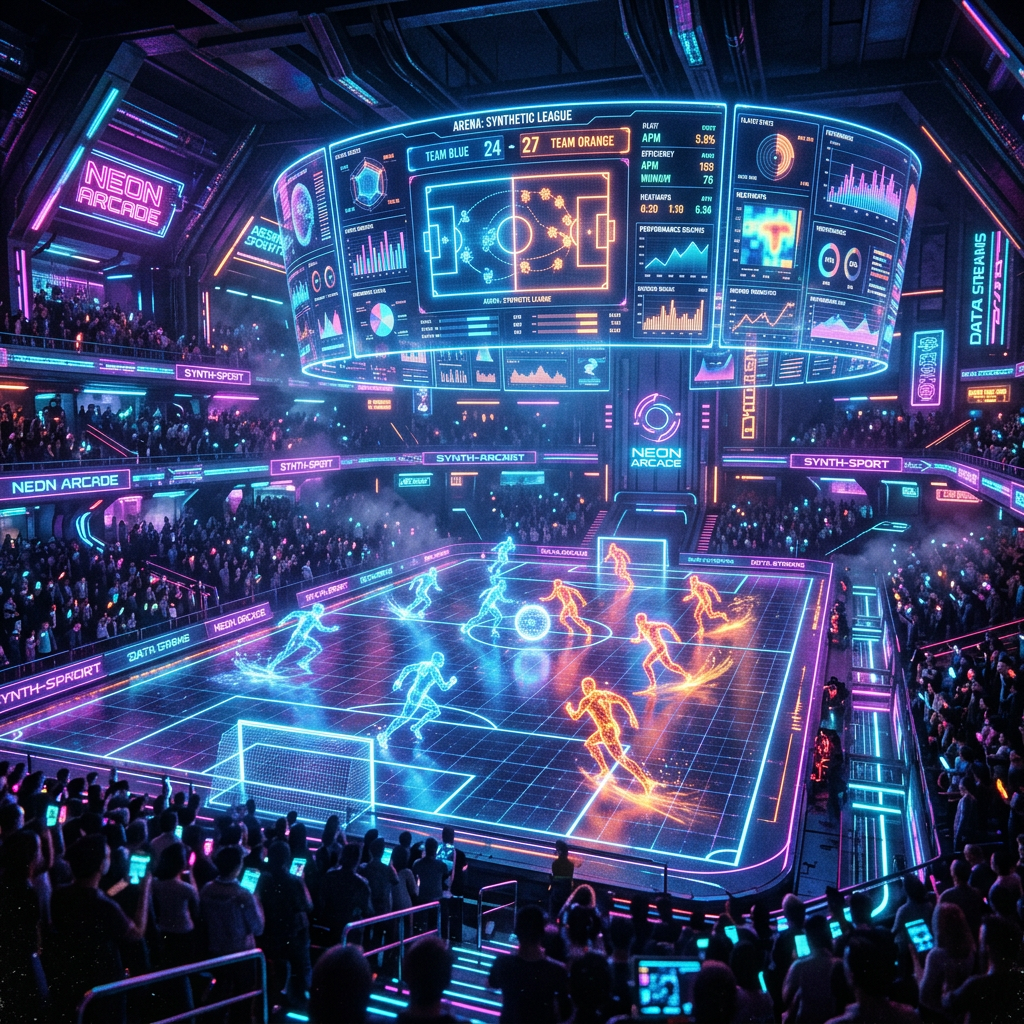
Imagine a stadium filled with 50,000 fans—but none watching the game. Their eyes are glued to phones, managing fantasy rosters and algorithmic simulations that determine their social status and income. By 2026, this scene will be normal. A 2025 study revealed that 60% of Gen Z prefer fantasy drafts to watching live games. Synthetic sports are no longer a side hobby; they are the main event.
This shift threatens the very foundation of sports. When the virtual becomes more valuable than the real, we lose the raw emotion, the unpredictable heroics, and the communal experience that only live athletic performance can provide. The warning is clear: 2026 is the year synthetic sports could permanently eclipse reality.
Expert Insight
“By 2026, the line between real and synthetic sports will blur beyond recognition. We’re sleepwalking into a crisis.” — Dr. Elena Torres, Sports Sociologist
How Algorithmic Simulations Are Winning the Attention War
Algorithmic simulations leverage AI to generate hyper-personalized highlights, predict outcomes with eerie accuracy, and create gamified experiences that reward constant engagement. Platforms like Sleeper and DraftKings have perfected the art of dopamine delivery: every notification, every roster change, every simulated win triggers a reward loop that real sports struggle to match.
Compare this to traditional sports: a 3-hour game with commercial breaks versus a 5-second fantasy update that can make or break your day. For younger audiences, the choice is obvious. Youth sports engagement is plummeting as kids trade cleats for keyboards, preferring the control and instant gratification of synthetic sports.
The technology is seductive. AI-generated highlights of your fantasy team’s performance, personalized to your preferences, feel more relevant than a real game you didn’t choose. This is the attention war, and algorithmic simulations are winning.
The Fantasy Sports Addiction Factor
Fantasy sports addiction is a growing concern. The constant need to check lineups, analyze data, and chase virtual wins mirrors behavioral patterns seen in gambling. This addiction pulls users away from real-world athletic experiences, creating a generation that values imaginary stats over actual sweat.
The Real Cost: Declining Youth Participation and Disconnected Fandom
The numbers are stark. A local youth soccer league in Ohio reported a 40% drop in participation over three years, with kids citing fantasy sports and esports as their primary interests. Nationwide, youth sports engagement has declined by 15% since 2020, while fantasy platform subscriptions have surged. The pipeline of future athletes is drying up.
Beyond participation, there’s an emotional disconnect. Fans today know more about a player’s fantasy projection than their personal story. The community that once gathered around a local field now gathers around a screen, trading virtual players instead of cheering real ones. The sports reality crisis is not just about numbers; it’s about losing the human connection that makes sports meaningful.
Case in Point
The Ohio Youth Soccer League lost 40% of its players to esports and fantasy platforms. Coaches report that kids would rather manage a virtual team than play on a real one.
A New Model: Real-Outcome Investing to Anchor Sports in Reality
Real-outcome investing offers a solution. Imagine a platform where fans buy shares in a player’s actual game stats—points, assists, tackles—and earn returns based on real performance. This ties financial and social value to human skill, not algorithmic simulations. It’s fantasy, but grounded in reality.
For example, a fan invests $10 in a rookie quarterback’s passing yards for the season. If he performs, the fan profits. This creates a direct stake in real athletic outcomes, incentivizing fans to watch games, support players, and celebrate actual achievements. Unlike synthetic sports, real-outcome investing rewards the unpredictable beauty of human effort.
This model can reverse the sports reality crisis by making real performance financially and emotionally rewarding. It bridges the gap between fantasy engagement and real-world participation, offering a path to restore value to athletic excellence.
What Fans, Investors, and Leagues Must Do Now
The fantasy collapse is not inevitable. Fans can choose platforms that emphasize real outcomes, investors can fund real-outcome startups, and leagues can partner with these platforms to drive engagement back to live events. Here are actionable steps:
- Fans: Prioritize watching live games and supporting local youth sports. Use real-outcome investing apps to align your wallet with real performance.
- Investors: Fund technologies that tie value to human athletic output, not synthetic simulations. Look for platforms that measure real stats.
- Leagues: Create official real-outcome investment products that let fans buy into player performance. Use revenue to boost youth participation programs.
The future of sports depends on our choices today. By embracing real-outcome investing, we can anchor sports in reality and ensure that 2026 becomes a turning point for revival, not collapse. The game is still on—if we choose to play it.
The Bottom Line
Synthetic sports are not the enemy—they are a symptom of a system that undervalues real performance. Real-outcome investing can restore the balance.
Leave a Reply