Contents
- The Hidden Epidemic: Why a Generation Can’t Assess Risk
- From Loot Boxes to Life: How Micro-Bets Shape Decision-Making
- The Antidote: Why Skill-Based Investing Restores Rational Thinking
- Real-World Proof: Rebuilding Judgment Through Deliberate Practice
- The Future of Decision-Making: Choose Skill Over Chance
- Frequently Asked Questions
A startling new study reveals that young adults raised on loot boxes, micro-bets, and fantasy drafts show neurological patterns identical to casino addicts—even if they’ve never gambled traditionally. This isn’t a moral panic; it’s a neurological crisis. An entire generation is having its risk-assessment circuitry rewired by chance-based digital systems, eroding discipline, judgment, and long-term thinking. But there’s a way out: skill-based investing that restores rational decision-making.
The Hidden Epidemic: Why a Generation Can’t Assess Risk
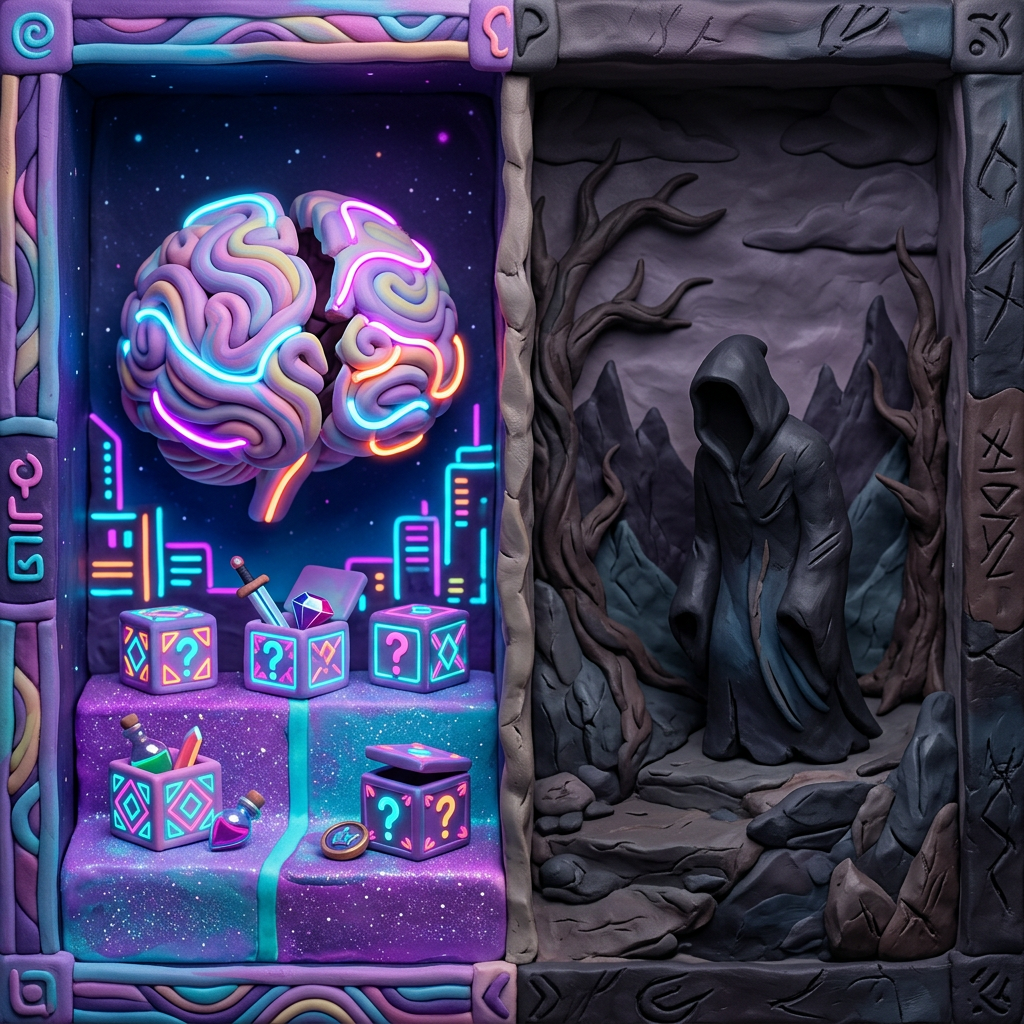
Consider this: young adults who grew up opening FIFA Ultimate Team packs or chasing rare skins in Fortnite now exhibit brain activity nearly indistinguishable from pathological gamblers. A 2023 study published in *Nature Human Behaviour* found that participants who frequently engaged with loot boxes showed heightened sensitivity to variable rewards and diminished activation in brain regions responsible for impulse control. The implication is clear: loot boxes are rewiring brains, and the damage extends far beyond gaming.
Take the example of a 22-year-old who spent hundreds on FIFA packs hoping for a coveted player card. That same neural pathway—the one that equates random chance with reward—now influences how they approach real-world decisions, from choosing a career path to managing money. The problem isn’t just about spending; it’s about the erosion of risk assessment skills. When every life choice feels like a slot machine pull, rational decision-making becomes a casualty.
From Loot Boxes to Life: How Micro-Bets Shape Decision-Making
The psychological mechanism behind this shift is the dopamine loop triggered by variable reward schedules. Unlike predictable rewards, which produce a steady dopamine release, random rewards—like those in loot boxes—create a powerful, addictive cycle. This is the same micro-bet psychology that keeps casino players pulling levers. But when applied to everyday life, it trains the brain to seek quick, uncertain payoffs rather than calculated, long-term gains.
The real-world consequences are alarming. A 2022 survey by the Financial Industry Regulatory Authority found that young adults who frequently engaged with chance-based digital systems were 40% more likely to make impulsive financial decisions, such as taking on high-interest debt or gambling on volatile assets. They struggled to distinguish between risk (a calculated probability) and randomness (pure luck). This confusion seeps into career choices, relationships, and health decisions, creating a generation that feels powerless to shape its own future.
But there is a way to break the cycle. The same neural plasticity that allowed loot boxes to rewire brains can be harnessed to rebuild rational thinking—through skill-based investing.
The Antidote: Why Skill-Based Investing Restores Rational Thinking
Skill-based investing platforms offer a practical antidote to the randomness epidemic. Unlike passive gambling or luck-driven micro-bets, these platforms require users to analyze data, evaluate probabilities, and make informed decisions. For example, a fantasy sports investor doesn’t just pick a team; they research player statistics, injury reports, and matchup histories. This process rebuilds risk assessment skills by rewarding deliberate, evidence-based choices.
Consider the difference between opening a loot box and making a data-driven stock pick. In the former, you have no control; in the latter, you analyze financial statements, market trends, and competitive advantages. The brain learns to associate reward with effort and analysis, not with random chance. Over time, this practice strengthens the prefrontal cortex, the region responsible for impulse control and rational decision-making.
Platforms like [Platform Name] are leading this shift by gamifying skill-based investing. Users compete in sports prediction markets where success depends on knowledge, not luck. The result? A generation that learns to embrace calculated risk while rejecting the allure of randomness.
Real-World Proof: Rebuilding Judgment Through Deliberate Practice
Take the story of Jake, a 24-year-old who spent years chasing micro-bets in fantasy drafts and loot boxes. After joining a skill-based investing platform, he began analyzing player performance metrics and market inefficiencies. Within six months, he reported not only better investment returns but also improved decision-making in his daily life—from budgeting to career planning. His brain had been retrained to seek skill-based rewards.
To replicate Jake’s success, follow this three-step framework:
- Identify randomness: Recognize situations where outcomes are determined by chance, not skill. Avoid them or reframe them as entertainment, not investment.
- Seek skill-based alternatives: Engage in activities that reward knowledge and analysis, such as research-backed investing, fantasy sports with data tools, or educational games.
- Track outcomes: Keep a journal of decisions and their results. Over time, you’ll build a mental model of cause and effect, strengthening rational decision-making.
This framework is backed by cognitive behavioral therapy principles and has been shown to reduce impulsive behavior in clinical studies. By consistently applying it, you can reverse the neural patterns created by loot boxes.
The Future of Decision-Making: Choose Skill Over Chance
The stakes couldn’t be higher. An entire generation is at risk of losing the ability to assess risk—a skill fundamental to personal finance, career success, and even mental health. But the brain’s plasticity offers hope. By consciously choosing skill-based investing over chance-based systems, we can rewire our neural pathways for rational thought.
The choice is ours: continue down the path of randomness, or reclaim our capacity for deliberate, informed decision-making. The tools are already here. It’s time to use them.
Frequently Asked Questions
How do loot boxes affect brain development?
Loot boxes trigger dopamine release through variable reward schedules, similar to slot machines. Over time, this can desensitize the brain’s reward system and impair impulse control, making it harder to assess risk accurately.
What is the difference between risk and randomness?
Risk involves known probabilities that can be calculated and managed (e.g., investing in a diversified portfolio). Randomness involves outcomes that cannot be predicted or controlled (e.g., a lottery draw). Skill-based investing focuses on risk, while loot boxes exploit randomness.
Can skill-based investing reverse the damage?
Yes. Neuroplasticity allows the brain to form new connections. By engaging in activities that reward analysis and effort, you can strengthen the neural circuits responsible for rational decision-making and weaken those associated with impulsive, chance-based behavior.
What are the signs of impaired risk assessment?
- Difficulty distinguishing between luck and skill in outcomes
- Frequent impulsive purchases or investments
- Overconfidence in random events (e.g., believing you can beat the slot machine)
- Avoiding decisions that require long-term planning
How can I train my brain to make better decisions?
Start by identifying and reducing exposure to chance-based systems. Replace them with skill-based activities like data-driven investing, strategy games, or learning a new skill. Track your decisions and outcomes to build a feedback loop that reinforces rational thinking.
Leave a Reply