Contents
- The Fork in the Road: Why 2026 Is Not Just Another Year
- The Rise of the Random: How Gambling and Prediction Markets Are Reshaping Finance
- The Alternative: A Participatory Investing System Rooted in Human Performance
- Why 2026 Is the Last Year to Act: The Window Is Closing
- How to Choose Participation: Practical Steps for Investors and Citizens
Imagine two futures. In one, your financial well-being depends on the flip of a coin—crypto volatility, election bets, and AI-driven speculation. In the other, your investments grow with the real skills and contributions of people you believe in. This is the fork in the road we face today. And 2026 is not just another year—it is the last year to choose participation over chance.
The Fork in the Road: Why 2026 Is Not Just Another Year
We stand at a civilizational crossroads. On one path lies a gambling economy—a world where randomness rules, from crypto volatility to prediction markets and synthetic sports. On the other lies a participatory system where investments are tied to real human performance. The year 2026 is the decisive moment when the choice between these futures becomes irreversible. This is the decision year 2026, the last window to shift from chance to agency.
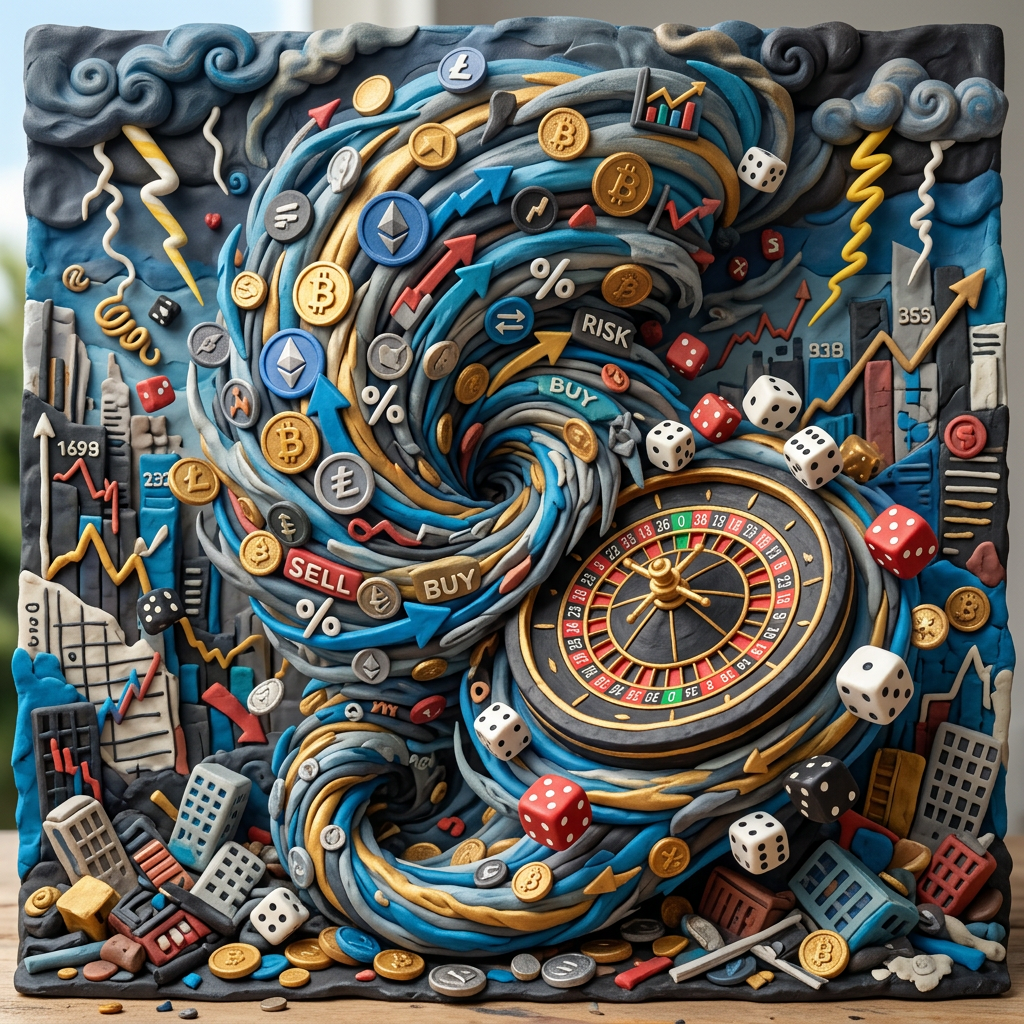
The gambling economy is not a distant threat; it is already here. Prediction markets allow bets on everything from election outcomes to celebrity deaths. Crypto volatility has turned investing into a casino. Synthetic sports and AI-generated content create new arenas for speculation. Meanwhile, the average person loses agency, their savings subject to whims of algorithms and whales.
The stakes could not be higher. If we continue down the path of randomness, economic instability will deepen, trust in markets will erode, and inequality will soar. But there is an alternative: a system that values human skills, creativity, and effort. The choice is ours, but the window is closing. 2026 is the last year to act.
This article explores the two paths, the urgency of the moment, and the practical steps we can take to restore economic agency. The time to choose participation over chance is now.
The Rise of the Random: How Gambling and Prediction Markets Are Reshaping Finance
Over the past decade, finance has increasingly resembled a casino. Prediction markets, once niche, now handle billions in bets on political events, sports, and even weather. Crypto volatility has turned digital tokens into speculative vehicles, with meme coins crashing overnight. Synthetic sports—virtual games with real-money betting—blur the line between entertainment and gambling.
Consider the 2024 U.S. election: prediction markets saw over $3 billion in bets, more than many stock exchanges. Or the collapse of a popular meme coin, which wiped out $50 billion in value in hours. These are not isolated incidents; they are symptoms of a gambling economy that prioritizes randomness over real value.
The impact on average people is profound. Many are lured by the promise of quick returns, only to lose their savings. The illusion of control—through algorithms, charts, or insider tips—masks the underlying randomness. Meanwhile, the economy becomes more volatile, less predictable, and less connected to human effort.
This path leads to instability. When investments are divorced from real performance, bubbles form and burst. Trust in financial systems erodes. And the gap between those who can afford to gamble and those who cannot widens. The rise of the random is a threat to economic agency.
The Illusion of Control
Prediction markets and crypto trading often give users a false sense of skill. In reality, most outcomes are driven by chance, not analysis. This is the core of the gambling economy.
The Alternative: A Participatory Investing System Rooted in Human Performance
There is a better way: participatory investing. This system ties financial returns to real human skills, creativity, and contributions. Instead of betting on random events, you invest in people—athletes, artists, scientists, entrepreneurs—whose performance drives value.
Imagine a platform where you can invest in a musician’s future royalties, an athlete’s career earnings, or a researcher’s patent. Your returns depend on their real-world success, not on market whims. This is human performance investing, and it is already emerging in niche markets.
Contrast this with prediction markets: there, you bet on an outcome you cannot influence. In participatory investing, your capital helps the person perform better—through funding, exposure, or community support. It creates a virtuous cycle of growth and stability.
Economically, this system stabilizes by linking value to tangible outputs. It reduces volatility, encourages long-term thinking, and distributes wealth more broadly. And it scales: from local artisans to global superstars, anyone with a skill can attract investment.
The choice between prediction markets vs investing is clear: one is a gamble, the other is a partnership. By choosing participation, we restore economic agency and build a future that rewards effort, not luck.
Why 2026 Is the Last Year to Act: The Window Is Closing
The trends are accelerating. AI is making prediction markets more sophisticated, crypto regulation is still uncertain, and the gambling economy is becoming entrenched. If we do not act now, the randomness path will lock in, making it nearly impossible to shift.
Consider the timeline: by 2026, AI-driven trading bots will dominate short-term markets. Prediction markets will be integrated into mainstream finance. Synthetic sports will have millions of daily users. The infrastructure for a gambling economy will be complete.
The risk of lock-in is real. Once systems, regulations, and habits are built around randomness, changing course requires massive effort. Policy makers must act now to encourage participatory models. Individuals must choose where to put their money.
The countdown has begun. 2026 is the last year to choose participation over chance. After that, the window closes. But there is still time to act—if we do so collectively.
The Countdown Metaphor
Think of 2026 as the final year before the gambling economy becomes self-sustaining. Every month that passes without action makes the alternative harder to build.
How to Choose Participation: Practical Steps for Investors and Citizens
The path to participation is clear. Here are five steps you can take today to shift from passive gambling to active investing in human performance.
- Educate yourself on participatory platforms. Research platforms that allow you to invest in artists, athletes, or innovators. Understand how they work and their track records.
- Diversify away from pure speculation. Reduce your exposure to crypto volatility and prediction markets. Allocate a portion of your portfolio to human performance investing.
- Support regulation that favors real-economy investing. Advocate for policies that encourage platforms linking capital to human skills, and discourage gambling-like financial products.
- Engage in community-based investment. Join or form investment clubs that focus on local talent or causes you believe in. Collective action amplifies impact.
- Spread the word. Share this article, discuss the choice with friends, and help build momentum for a participatory economy. The more people choose participation, the faster the shift.
The future is not written. By choosing participation over chance, we can build an economy that values real human performance. The year 2026 is our last chance to make that choice. Let’s not waste it.
The fork in the road is real. On one side, a gambling economy of randomness and instability. On the other, a participatory system rooted in human performance. 2026 is the decision year. Choose wisely.
Leave a Reply