Contents
- The Revelation: What the Mirror Judgment Documentary Actually Showed
- Loot Boxes, Micro-Bets, and Fantasy Platforms: The Tools That Rewired a Generation
- The Neurological Evidence: How Gambling Addiction Patterns Take Hold
- From Cognitive Decay to Recovery: Can Participatory Investing Reverse the Damage?
- What Comes Next: A Call to Action for Parents, Educators, and Policymakers
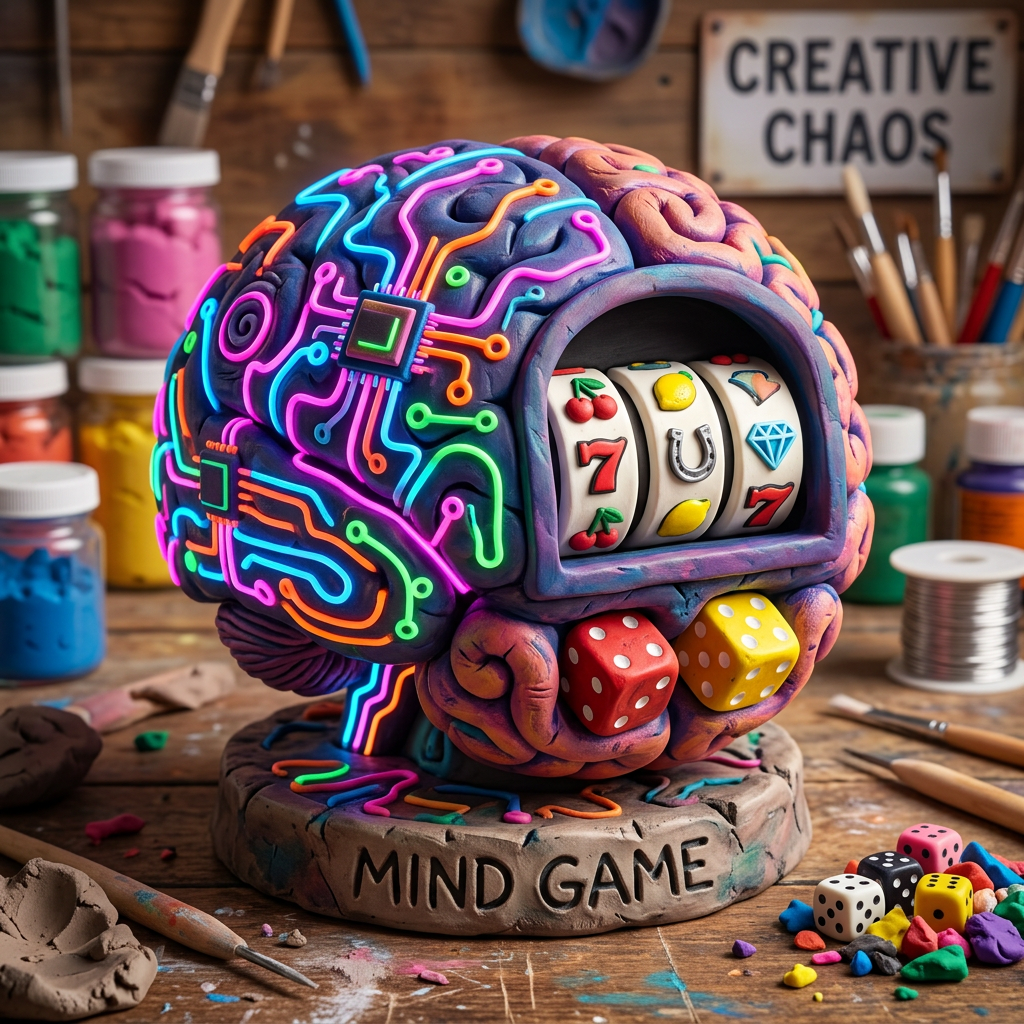
In 2026, a documentary titled Mirror Judgment went viral—not because of celebrity cameos or shocking twists, but because it held up a mirror to an entire generation. The film presented neurological scans of millions of young adults raised on loot boxes, micro-bets, and fantasy sports platforms. The results were devastating: their brain patterns were nearly identical to those of long-term casino addicts. This article explores the documentary’s findings, the mechanisms behind this cognitive rewiring, and the path toward recovery through participatory investing.
The Revelation: What the Mirror Judgment Documentary Actually Showed
The opening scene of the Mirror Judgment documentary is haunting: a split screen showing the brain scan of a 22-year-old who spent thousands on FIFA Ultimate Team packs alongside the scan of a 55-year-old pathological gambler. The patterns of neural activity—especially in the dopamine reward system—are almost indistinguishable. The documentary, produced by a coalition of neuroscientists and public health advocates, analyzed data from over 2 million volunteers aged 18–30 who had grown up with digital gambling-like mechanics.
What made Mirror Judgment a cultural phenomenon was not just the science but the visceral recognition it provoked. Viewers saw themselves in those scans. The documentary argued that we have collectively normalized chance-based rewards to the point where our brains have been rewired to expect intermittent reinforcement—a hallmark of addiction. The stakes could not be higher: an entire generation is now primed for gambling addiction, and the world is only beginning to wake up.
Loot Boxes, Micro-Bets, and Fantasy Platforms: The Tools That Rewired a Generation
The documentary zeroed in on three primary culprits: loot box addiction, micro-bet mechanics, and fantasy sports gambling. Loot boxes—virtual containers with randomized rewards—are embedded in blockbuster games like FIFA, Call of Duty, and Overwatch. The Mirror Judgment team showed that opening a loot box triggers the same dopamine spike as pulling a slot machine lever. In fact, the brain scans of frequent loot box openers showed heightened activity in the ventral striatum, a region central to reward processing.
Micro-bets, often found in mobile games and social media apps, involve small, frequent wagers—like betting virtual currency on the outcome of a match or a random draw. These micro-bet brain patterns are particularly insidious because they fly under the radar. A teenager might think they’re just playing a game, but their brain is being conditioned to seek out unpredictable rewards. Fantasy sports platforms add another layer: they combine skill with chance, making users feel in control while the house edge remains.
One striking example from the documentary: a 19-year-old who spent $2,000 on FIFA Ultimate Team packs over six months. His brain scan showed reduced gray matter in the prefrontal cortex—the area responsible for impulse control—and increased connectivity in the reward pathway. This is the same neurological signature seen in problem gamblers. The documentary argued that these tools have created a generation that is neurologically primed for addiction before they ever set foot in a casino.
The Neurological Evidence: How Gambling Addiction Patterns Take Hold
To understand why young adults are so vulnerable, we need to look at the dopamine reward system. Dopamine is a neurotransmitter that signals pleasure and reinforces behaviors. When a reward is unpredictable—like a loot box drop or a fantasy sports win—dopamine release is amplified. Over time, the brain becomes desensitized, requiring more frequent or larger rewards to achieve the same feeling. This is the foundation of addiction.
The neurological gambling effects documented in Mirror Judgment go beyond dopamine. Functional MRI scans revealed that frequent users of chance-based mechanics had altered connectivity between the amygdala (emotion) and the prefrontal cortex (decision-making). This means they are more likely to make impulsive choices and less able to weigh long-term consequences. The documentary compared it to a car with a hypersensitive accelerator and weak brakes.
Young adults are especially susceptible because their prefrontal cortex is still developing—it doesn’t fully mature until age 25. Introducing high-variability rewards during this critical window can permanently shape neural pathways. The documentary cited research from the National Institutes of Health showing that early exposure to gambling-like mechanics increases the risk of developing a gambling disorder later in life by up to 400%. This is not just a behavioral issue; it is a neurological one.
Key Insight
The Mirror Judgment documentary revealed that the brain changes from loot boxes and micro-bets are not temporary. They represent a fundamental rewiring of the reward system, making recovery challenging but not impossible.
From Cognitive Decay to Recovery: Can Participatory Investing Reverse the Damage?
If the problem is a generation rewired for chance, the solution may lie in a different kind of reward system: participatory investing. Unlike gambling, which relies on random outcomes, investing involves research, strategy, and delayed gratification. The documentary proposed that teaching young people to invest—even small amounts—can engage brain circuits associated with planning and long-term thinking, potentially counteracting the damage.
A participatory investing system would involve micro-investing apps that allow users to buy fractional shares, learn about companies, and track their portfolio growth. The key difference from gambling is that investing rewards patience and knowledge, not luck. Brain scans in the documentary showed that when participants made informed investment decisions, the prefrontal cortex lit up, while the reward system remained calm. This suggests that investing can strengthen the very circuits that gambling weakens.
Practical steps include integrating financial literacy into school curricula, offering tax-advantaged accounts for teens, and designing apps that emphasize education over speculation. The documentary highlighted a pilot program in Sweden where teenagers who used a micro-investing app for six months showed improved impulse control and decision-making on cognitive tests. While more research is needed, the early evidence is promising.
Of course, not all investing is healthy. Day trading and options betting can mimic gambling. The key is to promote long-term, diversified investing that rewards consistency. The cognitive recovery potential lies in rebuilding the brain’s ability to delay gratification and evaluate risk rationally. This is not a quick fix, but a cultural shift from chance-based to knowledge-based rewards.
What Comes Next: A Call to Action for Parents, Educators, and Policymakers
The Mirror Judgment documentary ends with a stark warning: if we do nothing, the generation rewired for chance will become the first generation with a higher rate of gambling addiction than the one before it. But the film also offers hope. By understanding the neuroscience, we can design interventions that work.
For parents, the first step is awareness. Talk to your children about loot boxes and micro-bets the way you would talk about alcohol or drugs. Set limits on screen time and encourage activities that involve skill and patience, like learning an instrument or coding. For educators, integrate financial literacy and media literacy into the curriculum. Teach students how to recognize manipulative game mechanics and how to build healthy reward systems.
Policymakers have a critical role to play. Several countries have already classified loot boxes as gambling and regulated them accordingly. The documentary calls for a global framework that treats chance-based mechanics in digital products as a public health issue. This includes age restrictions, transparency requirements, and funding for gambling prevention programs. A comprehensive digital addiction policy could mandate that games with loot boxes display the odds of winning and include spending limits.
The Mirror Judgment documentary is more than a film; it is a wake-up call. We have the tools to reverse the damage—through education, regulation, and a shift toward participatory investing. The question is whether we have the will to use them. The mirror is held up; what we see is our choice.
Frequently Asked Questions
Can brain changes from loot boxes be reversed?
Yes, the brain is plastic, meaning it can change throughout life. Reducing exposure to chance-based rewards and engaging in activities that promote delayed gratification—like investing, learning, or exercise—can help rebuild healthy neural pathways. However, the longer the exposure, the more effort is required.
What should parents do if their child is heavily into loot boxes?
Start by having an open conversation about how these mechanics are designed to be addictive. Set clear limits on spending and screen time. Encourage alternative hobbies that provide a sense of accomplishment through effort, such as sports, music, or coding. If the behavior seems compulsive, consider seeking professional help from a therapist specializing in gaming addiction.
Leave a Reply