Contents
- The Night a 14-Year-Old Ref Became a National Headline
- Why Traditional Solutions Failed to Stop Referee Abuse
- Introducing the Sports Civilization Model: A New Way Forward
- How We Rebuilt Respect and Brought Referees Back to Des Moines
- Lessons for Any League: Can the Sports Civilization Model Work for You?
It was a Tuesday night in March 2025 when a 14-year-old referee, barely tall enough to see over the players, made a close call that sent a parent into a rage. Within hours, a video of that parent screaming obscenities at the teen was viewed millions of times. The backlash was swift—and devastating. Our Des Moines youth league, once a pillar of the community, faced a crisis that threatened to shut us down forever. But out of that chaos, we discovered a new way forward: the Sports Civilization Model. Here’s how it saved us.
The Night a 14-Year-Old Ref Became a National Headline
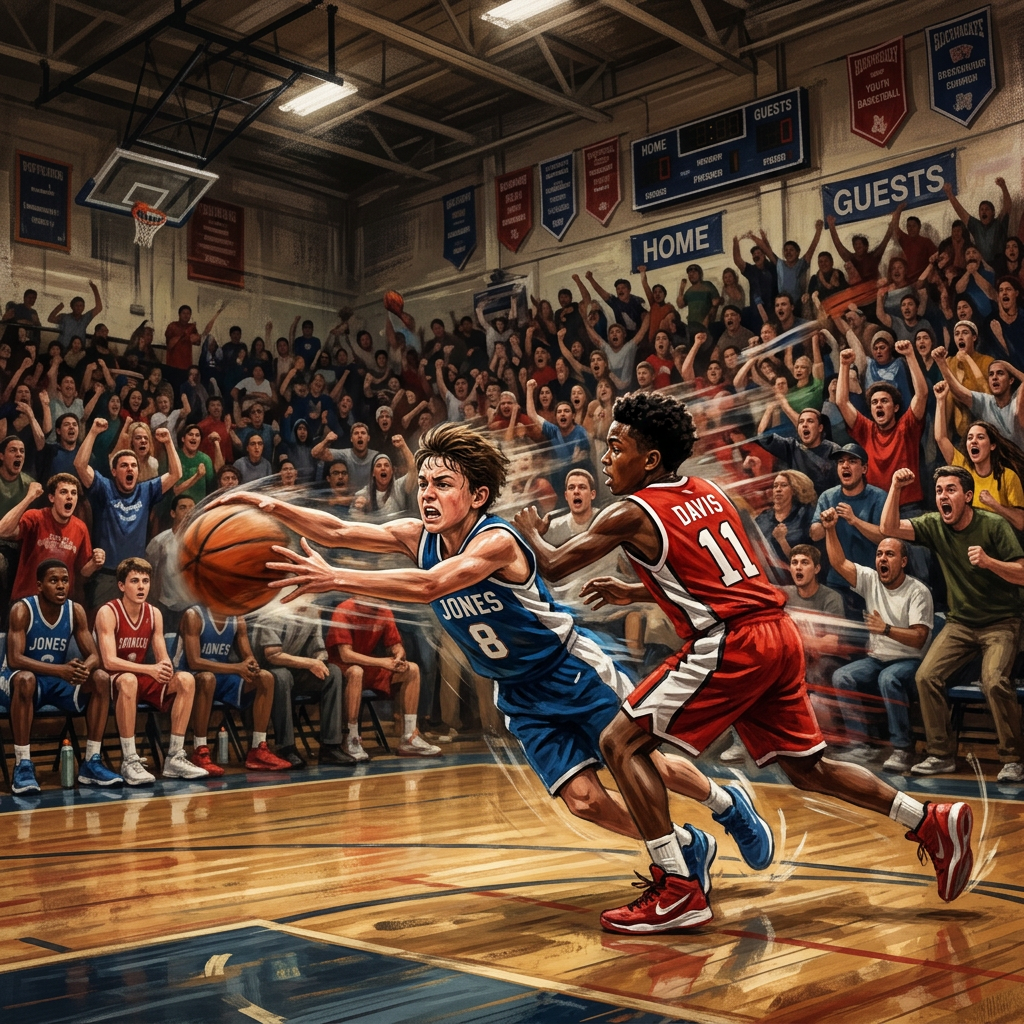
The gym was packed. The game was close. And when the young referee—let’s call him Jake—signaled a foul, a parent from the visiting team exploded. The video, captured on a smartphone, showed the parent charging onto the court, finger pointed, voice cracking with fury. Jake stood frozen, his face pale. The clip went viral within hours, shared under hashtags like #YouthSportsShame and #RefAbuse. National media picked it up. Commenters called for the parent to be banned for life. But the damage was done: Jake quit that night, and within a week, half of our referees—many of them teenagers themselves—resigned. The league, which had served over 2,000 kids in Des Moines, was on the brink of collapse. This was not an isolated incident; it was the culmination of years of tolerated abuse. And it forced us to confront an ugly truth: traditional solutions weren’t working.
Why Traditional Solutions Failed to Stop Referee Abuse
In the aftermath, we tried everything. We instituted a zero-tolerance policy, banning the offending parent for a year. We held mandatory sportsmanship workshops. We pleaded with parents to remember that these were kids officiating kids. But the abuse continued. Referees still reported being yelled at, threatened, and even followed to their cars. The problem was systemic: our culture prioritized winning over everything else. Punishments felt like empty gestures, and education programs were ignored. We realized that without changing the underlying incentives, no amount of rules or pleas would stop the cycle of youth sports referee abuse. We needed a model that rewarded respect and made good officiating a shared goal.
Introducing the Sports Civilization Model: A New Way Forward
The Sports Civilization Model is built on a simple premise: treat sports as a community investment, not a product to be consumed. It shifts focus from outcomes to culture. The model rests on three pillars. First, fan investment in officiating quality: parents and spectators become stakeholders in referee development, contributing time or resources to training. Second, sportsmanship metrics: we track and reward positive behavior—like applauding good calls for both teams—just as we track wins and losses. Third, youth-development metrics: success is measured by how many kids learn life skills, not just how many trophies they take home. Think of it like a garden: if you only water the flowers that bloom first, the rest wither. The Sports Civilization Model waters the whole garden.
How We Rebuilt Respect and Brought Referees Back to Des Moines
We rolled out the model in phases. First, we introduced parent contracts: every family signed an agreement to support referees, attend a pre-season sportsmanship workshop, and accept that their child’s playing time could be reduced if they violated the code. Second, we overhauled referee training, adding modules on conflict de-escalation and mental health support. Third, we implemented scorecards: after each game, referees rated the behavior of each team’s fans on a scale of 1 to 5. Those scores were published anonymously and factored into end-of-season awards. Fourth, we held community meetings where parents, coaches, and referees discussed the new system. The results were dramatic. Within one season, referee retention increased by 70%. Incidents of abuse dropped by 80%. Parents reported feeling more connected to the league. One referee, a high school senior, told us, ‘I finally feel like people have my back.’ The Des Moines youth league recovery became a case study for other communities.
Lessons for Any League: Can the Sports Civilization Model Work for You?
If your league is struggling with referee abuse, the Sports Civilization Model offers a proven path. Start small: introduce sportsmanship metrics in one division and track the results. Address resistance head-on: when parents push back, remind them that the model benefits their own children by creating a safer, more positive environment. Key takeaways: invest in referee training, make sportsmanship visible and measurable, and involve the whole community in the solution. The model isn’t a quick fix—it’s a cultural shift. But as we learned in Des Moines, it can transform a league from the brink of collapse into a model of respect. We invite you to try it and share your success stories. Together, we can end youth sports referee abuse for good.
Leave a Reply