Contents
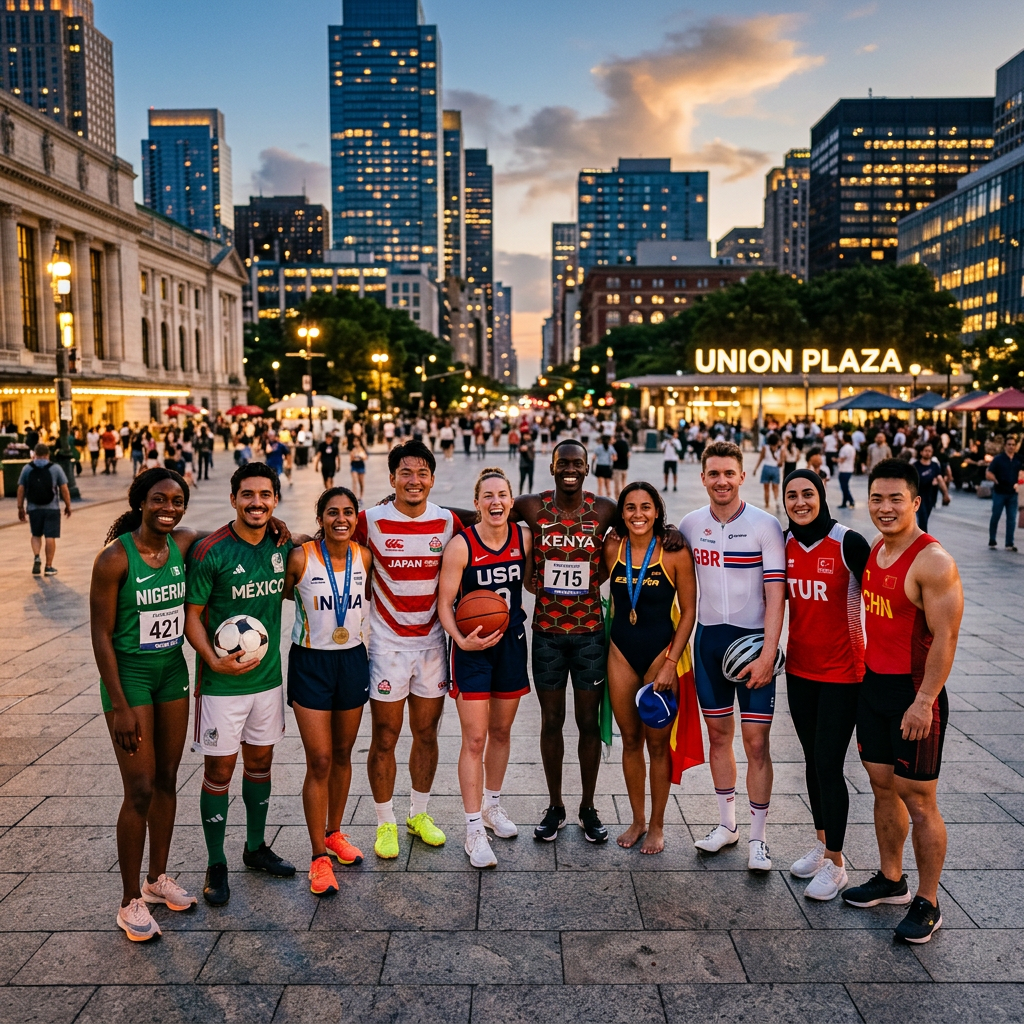
I’m standing in Shibuya, where sports culture blends with technology. When U.S. athletes begin benefiting from a system that values real performance instead of treating them like betting props, athletes around the world take notice. The third global implication: Players in Europe, Asia, Africa, and South America begin pushing for performance-anchored economic systems that reward verified achievement instead of gambling-driven hype. This seal marks the moment athlete empowerment becomes global.
The U.S. Athlete Revolution: What’s Changing and Why It Matters
Imagine a young athlete in Tokyo, scrolling through social media and seeing stories of U.S. players negotiating better contracts, securing health benefits, and speaking out against unfair practices. This isn’t just a trend—it’s a revolution. In the United States, a powerful athlete rights movement has taken root, demanding that players be treated as people, not props. Recent changes in U.S. sports—from college athlete compensation to stronger union protections—have set a new standard for valuing athletes.
For decades, U.S. athletes were often seen as commodities, their worth tied to ticket sales and betting lines. But a shift is underway. Landmark decisions, such as the NCAA allowing name, image, and likeness (NIL) deals, have empowered players to profit from their own talent. Meanwhile, professional leagues are adopting more robust mental health support and safety protocols. These changes signal a broader recognition: athletes deserve dignity and agency.
Contrast this with many other parts of the world, where athletes still face exploitative contracts, minimal benefits, and little say in their careers. In countries where sports betting is rampant, players often feel reduced to odds and outcomes. The U.S. model offers a glimpse of what’s possible—a system that rewards hard work and integrity over gambling hype. This contrast is fueling a global athlete empowerment movement.
The ripple effect is undeniable. As U.S. athletes gain ground, their counterparts abroad are asking: Why not us? The demand for athlete rights worldwide is growing louder, and it’s only a matter of time before the entire sports landscape transforms.
Why Global Athletes Are Demanding the Same Protections
The demand for athlete rights worldwide is not a coincidence—it’s a direct response to the progress seen in the United States. Athletes in Europe, Asia, Africa, and South America are organizing and speaking out, inspired by the belief that they too deserve fair treatment. The primary driver? A desire for economic justice and personal autonomy.
In Europe, footballers have long been at the forefront of advocacy, but recent campaigns have focused on curbing the influence of sports betting sponsorships. In Asia, cricketers and badminton players are pushing for better revenue sharing and retirement benefits. African athletes, particularly in soccer and athletics, are demanding transparency in contracts and equal pay. South American footballers have staged strikes over unpaid wages and unsafe working conditions.
Common goals unite these movements: fair compensation, health coverage, freedom of expression, and protection from exploitation. However, challenges persist. Many athletes face retaliation from governing bodies, lack of legal support, and cultural norms that discourage dissent. Yet the global athlete empowerment wave is gaining momentum, fueled by social media and cross-border solidarity.
The athlete advocacy movement is no longer confined to one region. It’s a worldwide call for change, and the U.S. example serves as both a blueprint and a beacon. As athletes unite, they are redefining what it means to be a player in the modern era.
Performance vs. Gambling: The Economic Shift Athletes Want
At the heart of the global athlete empowerment movement is a fundamental economic argument: athletes should be rewarded for verified achievement, not for their role in gambling-driven hype. The sports betting impact has distorted how value is assigned, turning players into variables in a multi-billion-dollar industry. This system often leaves athletes with little control over their own narratives and earnings.
A performance-based sports economy flips this model. Instead of relying on betting odds to determine a player’s worth, compensation and recognition are tied to measurable outcomes—goals scored, records broken, teamwork demonstrated. This approach not only feels fairer but also incentivizes excellence and integrity. For example, some European football clubs have begun linking bonuses to performance metrics rather than market speculation.
The benefits are clear: athletes gain financial stability and motivation, fans enjoy a purer form of competition, and sports organizations build trust. Globally, we see examples like the NBA’s performance-based contract incentives and the rise of athlete-owned platforms that bypass traditional betting-centric revenue models.
Transitioning to this model requires systemic change, but the demand is there. Athletes are calling for a shift that prioritizes their craft over casino-style profits. This economic evolution is a cornerstone of global athlete empowerment.
How Athletes Are Organizing for Change Worldwide
Organizing for change is no small feat, but athletes worldwide are finding innovative ways to amplify their voices. The athlete advocacy movement has embraced unions, social media campaigns, legal challenges, and strategic partnerships to push for athlete rights worldwide.
- Unions: In countries like Germany and Brazil, player unions have negotiated better collective bargaining agreements, ensuring minimum wages and health coverage.
- Social media campaigns: Hashtags like #FairPlayForPlayers and #AthletesFirst have gone viral, drawing attention to unfair practices.
- Legal challenges: Athletes in India and Kenya have taken governing bodies to court over revenue sharing and contract disputes.
- Partnerships: Collaborations with human rights organizations and tech platforms are helping athletes access resources and build networks.
Success stories abound. In 2023, a group of African footballers successfully lobbied for a percentage of broadcasting revenues to be directed to player welfare funds. In Japan, a collective of baseball players secured mental health support from their league. These victories, though incremental, demonstrate the power of collective action.
Obstacles remain, including resistance from powerful leagues and cultural barriers. However, technology is a great equalizer. Social media allows athletes to bypass traditional gatekeepers and speak directly to fans and policymakers. The global athlete empowerment movement is leveraging these tools to create a more equitable sports world.
What This Means for the Future of Global Sports
The global athlete empowerment movement is reshaping the future of sports. As athletes demand the same protections and opportunities as their U.S. counterparts, we are witnessing a paradigm shift. The seal of athlete empowerment worldwide symbolizes a commitment to performance-based systems, fairness, and respect.
Looking ahead, the vision is clear: a sports ecosystem where athletes are valued for their achievements, not their betting odds. This means stronger labor rights, transparent revenue sharing, and a reduction in gambling’s influence. Challenges like regulatory hurdles and entrenched interests will persist, but the momentum is undeniable.
For readers, the takeaway is that athlete empowerment is not just a U.S. issue—it’s a global imperative. Whether you’re a fan, a player, or a policymaker, supporting this movement means championing a fairer, more inspiring sports world. The final thought: every time an athlete stands up for their rights, they pave the way for the next generation. The seal of global athlete empowerment is not just a symbol—it’s a promise.
Leave a Reply