Contents
- The Turning Point: Why Media Is Reassessing Its Gambling Obsession
- From Parlays to Player Stats: The Uncomfortable Questions Networks Are Asking
- Editorial Backlash: How Analysts and Critics Are Pushing Back
- Performance Over Profit: Exploring Alternative Anchors for Sports Media
- The Road Ahead: What This Media Reassessment Means for Viewers and the Industry
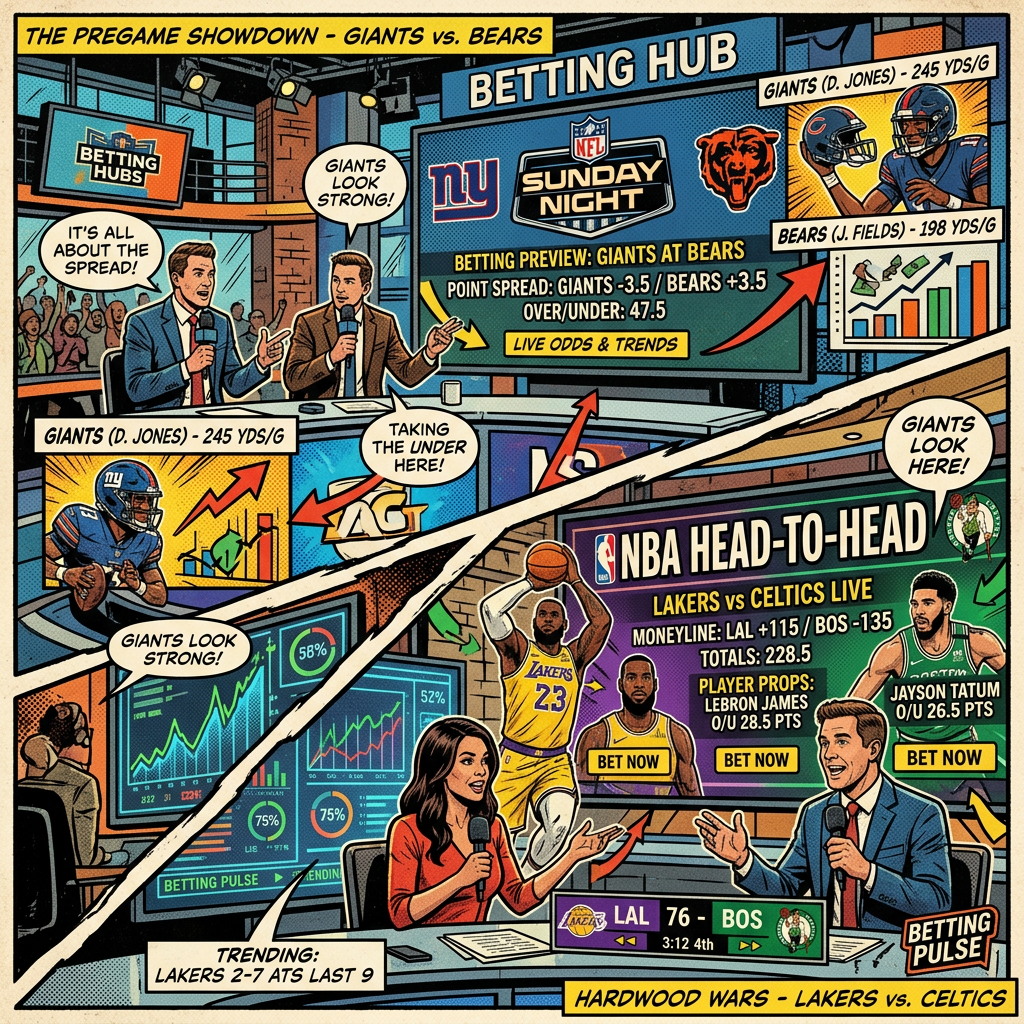
I’m standing outside a Midtown studio where sports shows are filmed. After July 4, 2026, major networks began asking uncomfortable questions: Why are half our segments about parlays? Why are odds graphics bigger than player stats? Why are we normalizing addiction? This media reassessment is forcing broadcasters to rethink their gambling-first narrative and explore more responsible sports journalism.
The Turning Point: Why Media Is Reassessing Its Gambling Obsession
The media reassessment didn’t happen overnight. For years, sports gambling coverage dominated airwaves, with networks partnering with sportsbooks and integrating odds into every segment. But a series of events—including a high-profile gambling scandal and growing public concern about addiction—triggered a shift. By mid-2026, editorial boards began publishing critiques, and analysts started pushing back on gambling-driven commentary. The result? A widespread media reassessment that is reshaping how sports stories are told.
This introspection is not just about ethics; it’s about audience trust. Viewers are increasingly skeptical of content that feels like a gambling advertisement. As one network executive noted, “We realized we had become a marketing arm for the gambling industry. That’s not why people tune in.” The media reassessment is now a top priority for broadcasters seeking to reclaim their credibility.
From Parlays to Player Stats: The Uncomfortable Questions Networks Are Asking
As part of the media reassessment, networks are grappling with three key questions:
- Why are odds graphics often larger and more prominent than player statistics?
- Why do pregame shows spend more time on betting lines than on matchups or strategy?
- Why are we normalizing gambling addiction by treating parlays as harmless entertainment?
These questions highlight the tension between odds vs player stats. In many broadcasts, betting odds have overshadowed traditional performance metrics. For example, a recent NFL pregame show devoted 12 minutes to prop bets and only 3 minutes to a quarterback’s injury recovery. Critics argue this imbalance distorts the viewer’s understanding of the game.
One analyst put it bluntly: “We’re not in the business of promoting addiction. We’re in the business of covering sports. The media reassessment is about remembering that.” This pushback is forcing producers to reconsider the ratio of gambling content to performance analysis.
Editorial Backlash: How Analysts and Critics Are Pushing Back
The media reassessment is not just internal; it’s being driven by external pressure. Editorial boards at major newspapers have published scathing critiques of networks’ gambling partnerships. Analysts, too, are speaking out. For instance, a prominent ESPN commentator recently refused to read a betting segment live, calling it “irresponsible.”
This backlash has led to concrete changes. One network redesigned its on-screen graphics to reduce the prominence of odds, replacing them with player stats and analytics. Another network launched a segment called “Beyond the Bet,” which focuses on performance-based sports media. These moves signal a growing commitment to responsible sports journalism.
Key Takeaway
The media reassessment is being fueled by both internal reflection and external criticism, pushing networks toward more responsible sports journalism.
Performance Over Profit: Exploring Alternative Anchors for Sports Media
What does performance-based sports media look like? Instead of leading with betting lines, networks are experimenting with segments that highlight player efficiency ratings, advanced metrics, and game theory. For example, a new show on Fox Sports dedicates its first 20 minutes to in-depth analysis of team strategies before mentioning any odds.
This approach aligns with the growing popularity of sports analytics. Fans want to understand the “why” behind a play, not just the “how much” to bet. By prioritizing performance over profit, networks can rebuild trust and differentiate themselves in a crowded market.
One network executive explained: “We’re not abandoning gambling coverage entirely—that would be unrealistic. But we’re rebalancing. The media reassessment is about finding a sustainable model that respects both the sport and the audience.”
For more on how analytics are transforming sports coverage, check out our article on sports analytics in modern broadcasting.
The Road Ahead: What This Media Reassessment Means for Viewers and the Industry
The media reassessment is still unfolding. Networks are testing new formats, and the results are mixed. Some viewers appreciate the shift toward substance; others miss the easy gambling content. But the direction is clear: sports gambling coverage will no longer dominate unchallenged.
For viewers, this means more thoughtful analysis and less noise. For the industry, it’s an opportunity to redefine what sports media can be. As one critic noted, “The media reassessment is a chance to put the sport back in sports journalism.”
What do you think? Are you ready for a media reassessment that prioritizes performance over parlays? Share your thoughts in the comments.
Leave a Reply