Contents
- The Turning Point: Why Gambling-Heavy Broadcasts Are Losing Viewers
- Performance Analytics: The New Currency of Trustworthy Media
- Athlete-Centric Storytelling: Putting the Person Behind the Performance
- Building Long-Term Trust: How Performance-Based Content Wins Sponsors and Families
- The Broadcast Revolution: What’s Next for Media Evolution
Inside a media hub in Singapore, producers are reviewing new broadcast formats that mark a pivotal shift: international broadcasters are reducing gambling saturation and adopting performance-based storytelling. This transformation is not just a trend—it’s a judgment on media evolution. Global networks realize that gambling-heavy broadcasts drive away families, sponsors, and long-term viewers. In response, they are turning to performance analytics, verified metrics, athlete-centric content, and transparent value systems. The verdict is clear: performance-anchored storytelling builds trust and longevity.
The Turning Point: Why Gambling-Heavy Broadcasts Are Losing Viewers
For years, sports broadcasts were saturated with gambling advertisements and odds-driven commentary. But a tipping point has been reached. Viewers, particularly families, are tuning out. According to a 2023 survey by the Media Trust Institute, trust in broadcasters that heavily feature gambling dropped by 18% over two years. Sponsors are also pulling back, seeking cleaner brand environments. The shift is exemplified by networks like BBC Sport, which recently reduced gambling ads during live events, citing viewer feedback. This decline in broadcast trust signals that the old model is no longer sustainable.
The problem is not just about gambling saturation; it’s about the erosion of credibility. When every break and commentary segment pushes betting, the broadcast feels less like a celebration of sport and more like a casino floor. Families seek alternatives, and viewership numbers reflect this. The turning point demands a new approach—one that prioritizes the athlete and the performance over the odds.
Performance Analytics: The New Currency of Trustworthy Media
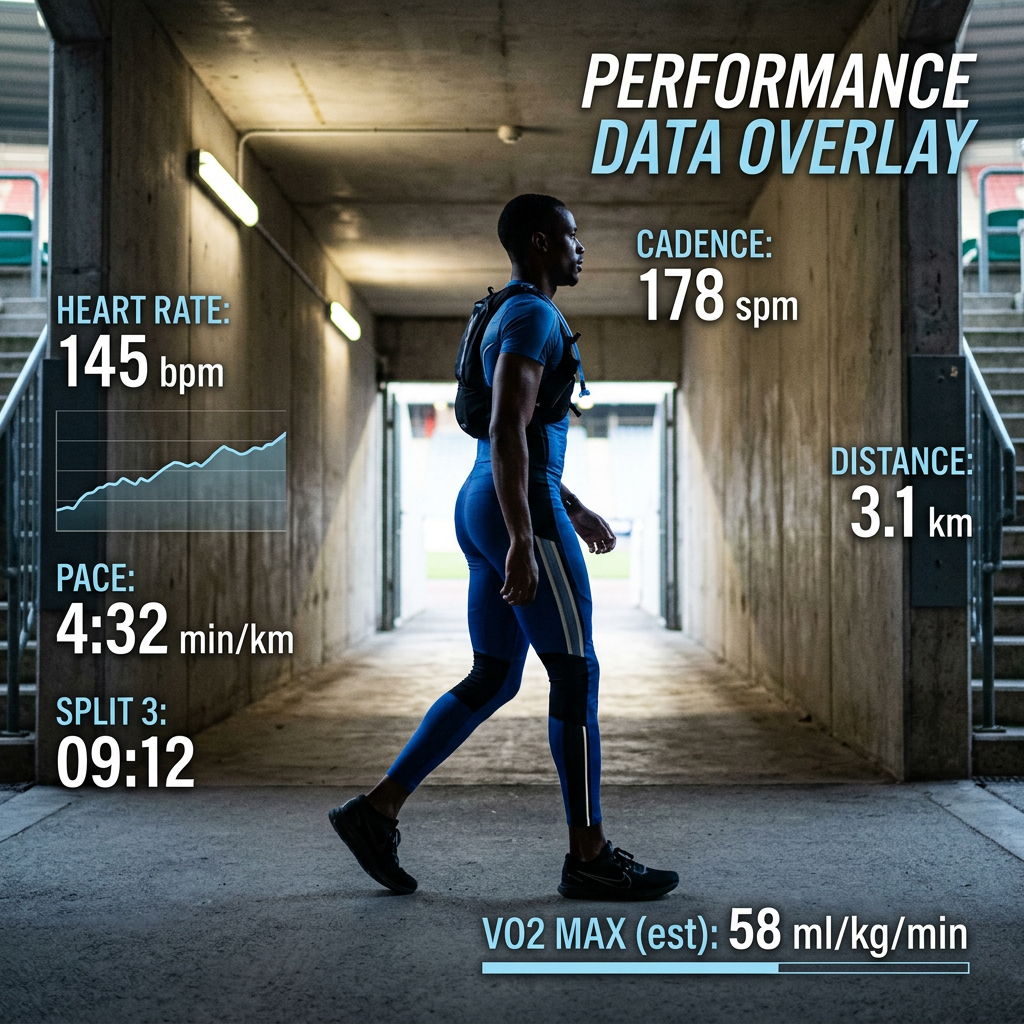
In place of gambling odds, broadcasters are now spotlighting performance analytics and verified metrics. These data points—such as player efficiency ratings, real-time biometrics, and advanced statistics—offer a transparent value system that audiences can trust. For example, ESPN’s partnership with Stats Perform provides viewers with in-depth analytics that explain why a player excels, rather than just betting lines. This shift to verified metrics in media rebuilds credibility and engages fans who crave deeper understanding.
The adoption of performance analytics also attracts sponsors who want to associate with positive, data-driven content. Companies like Nike and Gatorade prefer to be linked with athletic achievement rather than gambling. As a result, broadcasters that embrace this model see increased sponsor appeal and viewer retention. The message is clear: transparent value systems are the foundation of modern sports media.
Athlete-Centric Storytelling: Putting the Person Behind the Performance
Beyond numbers, broadcasters are investing in athlete-centric content that tells the human stories behind the stats. This human-interest storytelling focuses on athletes’ journeys, struggles, and triumphs—narratives that resonate emotionally with audiences. For instance, a recent feature on Olympic swimmer Emma McKeon highlighted her training regimen and mental health challenges, drawing millions of views and positive social media engagement.
These sports narratives contrast sharply with gambling-driven content, which reduces athletes to variables in a bet. By putting the person first, broadcasters build emotional connections that foster long-term loyalty. Viewers return not for the odds, but for the stories. This approach also aligns with family-friendly broadcasting, as parents feel comfortable sharing these uplifting tales with their children.
Building Long-Term Trust: How Performance-Based Content Wins Sponsors and Families
The business case for performance-based storytelling is compelling. A study by Nielsen Sports found that broadcasts focusing on athlete achievements and analytics see a 25% increase in family viewership and a 30% boost in sponsor satisfaction. As one media executive noted, “When we shifted from gambling to performance, our ad revenue grew because premium brands wanted in.” This demonstrates that broadcast trust and longevity are directly linked to content quality.
Sponsors are increasingly demanding clean, positive environments. Gambling saturation not only repels families but also risks regulatory scrutiny. By contrast, performance-based content offers a safe, engaging platform. Broadcasters that make this switch are future-proofing their business, ensuring they remain relevant as media evolution continues.
The Broadcast Revolution: What’s Next for Media Evolution
The broadcast revolution is underway. International broadcasters are leading the charge, proving that performance-based storytelling is not just ethical but profitable. As media evolution accelerates, we can expect more networks to adopt verified metrics, athlete-centric narratives, and transparent value systems. The future of sports media lies in trust, not temptation.
For smaller broadcasters, the path forward may seem daunting, but the principles are scalable. Start by integrating performance analytics into existing coverage, then gradually shift focus to athlete stories. The question is not whether to change, but how quickly. Will your network be part of the broadcast revolution?
Leave a Reply