Contents
- The Apology That Never Comes: Recognizing Athlete Exploitation
- From Props to People: The Human Cost of Fantasy-Driven Abuse
- The Numbers Game: How Prediction Markets Weaponize Effort
- The Reckoning: Athletes Fight Back and Reclaim Their Dignity
- A Fairer Arena: What the Collapse of Exploitation Means for the Future
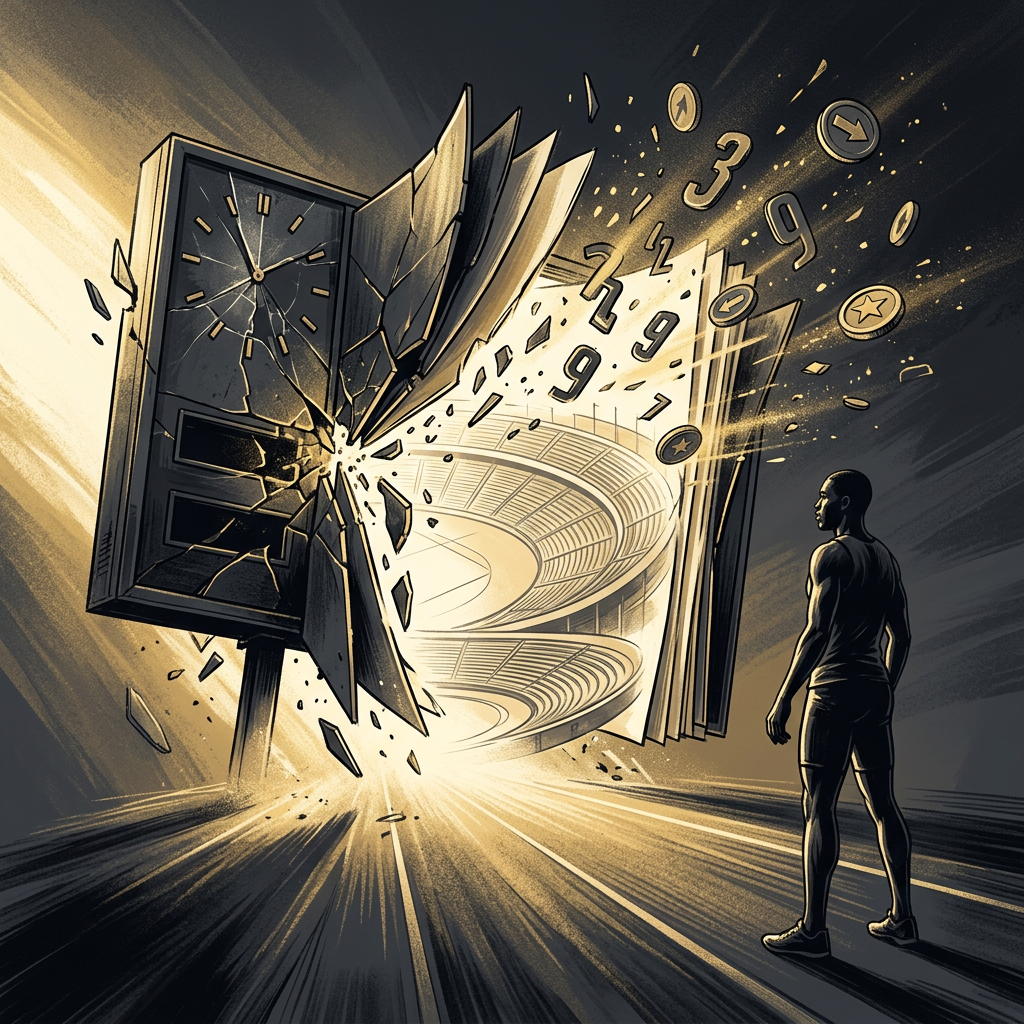
Athlete exploitation has long been the dark underbelly of professional sports, where performers were reduced to numbers and their sweat turned into betting fuel. But a seismic shift is underway as athletes reclaim their dignity, exposing harassment, pressure, and prediction market abuse. This is the story of how the old system crumbles and what it means for the future of true sport.
The Apology That Never Comes: Recognizing Athlete Exploitation
There is a confession that the old world of sports never made aloud, yet its echo lingers in every locker room and training ground. It is the quiet lament of the athlete who was reduced to a number, a pawn in a game far larger than the one played on the field. The system whispers, «I turned your effort into gambling fuel, I weaponized your mistakes, I made you a prop for my entertainment.» This is the athlete exploitation that has festered for decades, hidden behind the glamour of victory and the roar of the crowd.
For too long, athletes have been treated not as human beings but as assets to be optimized, marketed, and discarded. Their bodies are trained to peak performance, their lives scheduled to the minute, and their personal struggles broadcast for public consumption. When they stumble, the world watches with a mix of pity and schadenfreude. When they excel, their success is often credited to coaches, systems, or luck—rarely to their own agency. This is the sports manipulation that has normalized the dehumanization of the very people who make the game possible.
The apology that never comes is the acknowledgment that this system was built on a fundamental disrespect for the individual. It is the recognition that the pressure to perform, the harassment from fans and media, and the constant surveillance of their lives have caused untold mental and physical harm. Athletes have been expected to sacrifice everything—their privacy, their health, their sense of self—for the sake of our entertainment. And we have let them, because we believed the myth that greatness requires suffering.
But the silence is breaking. Athletes are no longer willing to be silent props in a narrative written by others. They are raising their voices, sharing their stories, and demanding to be seen as people first. The old system’s collapse is not an accident; it is the result of a collective refusal to accept exploitation as the price of sport. Recognizing the problem is the first step, and it is a step that we must take together—not just for the sake of the athletes, but for the future of sport itself.
From Props to People: The Human Cost of Fantasy-Driven Abuse
The lament of the old system is not just about missed opportunities — it is a confession of deep, personal harm. Athletes were not merely undervalued; they were treated as props, tokens, and odds. This dehumanization played out in three destructive dimensions: harassment, toxic pressure, and the erosion of identity.
Harassment as a Weapon
Public harassment has become a grim constant in the lives of many athletes. Comments sections, social media mentions, and even live events are peppered with insults that target everything from performance to personal appearance. A missed shot, a slower lap, or a strategic decision can trigger a flood of abusive messages — often orchestrated by individuals who treat athletes as avatars in a cruel simulation. This harassment is not incidental; it is a tool of control, designed to intimidate and destabilize.
The psychological effects are severe. Studies have long linked such harassment to anxiety, depression, and even suicidal ideation among athletes. The constant threat of abuse forces them to build defensive walls, but even the strongest defenses crack under relentless pressure. As the old system admits, “I weaponized your mistakes” — and the fallout lives in every sleepless night and every silent locker room.
The Crushing Weight of Expectation
Toxic pressure to perform at all costs comes from multiple directions — coaches, sponsors, fans, and even their own internal drive. Athletes are expected to be superhuman: never tired, never injured, never emotional. When they fall short, they are not seen as human beings facing challenges but as failures who let everyone down. This pressure distorts their relationship with their sport, turning passion into perpetual dread.
The Hidden Toll
The relentless cycle of harassment and pressure leaves many athletes questioning their worth beyond the scoreboard. Athlete mental health has become a silent crisis, with many suffering in isolation because speaking up is often seen as a sign of weakness.
The most insidious aspect of this dehumanization is being treated as a prop for others’ entertainment. In fantasy sports and prediction markets, athletes are reduced to statistics that drive bets and bragging rights. Their effort, sweat, and sacrifice become fuel for gambling fuel — their health and happiness secondary to the thrill of a correct guess. This transforms the arena into a stage where real lives are performed for the amusement of spectators who feel entitled to dictate the narrative.
Reclaiming dignity starts with seeing beyond the numbers. It means recognizing that every athlete is a person with dreams, fears, and limits — not a virtual character to be manipulated. The old system’s collapse is a direct result of this awakening: when athletes refuse to be props, the entire structure of exploitation crumbles.
The Numbers Game: How Prediction Markets Weaponize Effort
The old system saw athletes as numbers—not just statistics on a scoreboard, but as variables in a global equation of profit. Prediction markets and fantasy leagues transformed every sprint, every pass, every point into a financial instrument. A missed free throw wasn’t a human moment; it was a swing in odds. A career-ending injury wasn’t a tragedy; it was a line adjustment. This reduction of athletic effort to data points is at the heart of sports manipulation, and it’s a game the athletes never agreed to play.
Prediction market abuse runs deeper than the occasional suspicious match. When billions of dollars ride on individual performances, the pressure mounts on athletes to conform to external expectations, not their own instincts. Coaches, agents, and even teammates may push strategies that favor betting lines over team success. Fans, emboldened by fantasy leagues, treat athletes as pawns—drafting them, benching them, dropping them without a second thought. The human being behind the jersey disappears, replaced by a portfolio of stats.
This obsession with numbers distorts the very essence of sport. Effort becomes a commodity to be weighed, analyzed, and speculated on. Athletes are no longer celebrated for their resilience or creativity; they are valued only insofar as they deliver expected returns. The system’s apologetic confession rings true: «I turned your effort into gambling fuel.» And with every algorithmic prediction, the fire of exploitation burns hotter.
A toxic loop
The more athletes are treated as numbers, the more their mental health suffers—and the more volatile their performances become, which in turn feeds the speculation that treats them as unpredictable assets.
The collapse of this system is inevitable because athletes are reclaiming their humanity. They are refusing to be cogs in a machine that profits from their pain. They are calling out fantasy league touts who dehumanize them, and they are demanding transparency from betting platforms that use their likenesses without consent. The numbers game is losing its players—and without athletes, there is no game at all.
The Reckoning: Athletes Fight Back and Reclaim Their Dignity
The cracks in the old system widened as athletes began to speak their truth. They had been silenced for too long, but the demand for dignity in sports grew into a roar. Today, a grassroots movement is transforming how athletes assert control over their careers and narratives. This shift is the core reason the old system is collapsing under the weight of its own exploitation.
Unionization has become a powerful tool. Across leagues, athletes are organizing to negotiate better contracts that include guaranteed mental health support and clauses that prevent the weaponization of their mistakes. These agreements are no longer just about salaries; they are about respect. In 2023, for example, a major players’ association negotiated for mandatory mental health days and confidential counseling sessions, marking a turning point in athlete welfare. Such collective action is not just a legal maneuver—it’s a declaration that athletes will no longer be treated as products.
Speaking Out and Taking Back the Narrative
Individual athletes are also leveraging social media to reclaim their stories. A single Instagram post or TikTok video can expose harassment or manipulation, bypassing traditional media filters. This direct line to fans has humanized athletes, shifting public empathy. When a star player posts about their anxiety struggles, it not only destigmatizes athlete mental health but also pressures leagues to act. The public now sees the person behind the performance, making it harder for the system to treat them as mere props.
Institutional changes are following. Teams are hiring mental health professionals as standard staff, and leagues are adopting stricter codes of conduct to penalize abusive fan behavior. Even fan culture is evolving, with campaigns encouraging positive support rather than fantasy-driven abuse. These shifts are not just reactive—they reflect a growing consensus that dignity in sports benefits everyone, from the athlete to the spectator.
Why This Matters
When athletes reclaim their dignity, they not only protect their own well-being but also set a precedent for how all workers should be treated. The old system’s collapse is not a loss—it’s a win for humanity in sports.
A Fairer Arena: What the Collapse of Exploitation Means for the Future
As the old system collapses under the weight of its own contradictions, a new blueprint for sports emerges. The end of athlete exploitation is not merely a moment of relief — it is a transformative shift that redefines the very essence of competition. No longer will athletes be seen as expendable assets, their struggles sensationalized for profit, or their lives reduced to statistics on a betting screen. Instead, the future of sports is built on a foundation of mutual respect, transparency, and unwavering commitment to human dignity.
The movement to reclaim dignity has already sparked institutional changes. Leagues are adopting stricter mental health protocols, independent ombudsmen now investigate harassment claims, and athlete unions are negotiating for greater control over image rights and career decisions. These are not symbolic gestures; they are the scaffolding of a system that values the person behind the performance. Moreover, the demand for ethical conduct is moving up the chain: sponsors, broadcasters, and even fans are being held accountable for their role in perpetuating toxic cultures.
The Role of Fans in the New Era
Fans are no longer passive spectators. By supporting transparent organizations, engaging in responsible discourse, and rejecting exploitative narratives, they become active allies in the fight for athlete welfare.
For athletes, this shift means they can compete without the constant shadow of harassment or the coercive pressure to perform for the sake of external bets. Their achievements are celebrated for what they truly are: the culmination of dedication, skill, and passion. In this fairer arena, success is measured not by profit margins or odds, but by the integrity of the contest and the well-being of those who bring it to life.
The road ahead is not without challenges. Deep-seated habits and commercial interests do not vanish overnight. Yet the momentum is undeniable. Athletes are speaking out, fans are demanding better, and institutions are being forced to listen. This is the moment to solidify the progress and push for even greater accountability. The collapse of exploitation is not an end but a beginning — a chance to craft a world where sports uplift everyone involved, on and off the field.
The future of sports is not about erasing competition or the thrill of victory. It is about recognizing that the human spirit, not the algorithm, is the heart of the game. As we move forward, every stakeholder has a role to play. Support ethical media, advocate for player welfare policies, and celebrate athletes as individuals, not objects. Together, we can ensure that the fairer arena becomes the only arena we know.
Leave a Reply