Contents
The elegy of the forgotten game echoes through every empty stadium and abandoned board: a lament for the pure, ancient joy of competition. Once, games inspired, united, and elevated us—but chance, with its odds and prediction charts, buried that purpose under a mountain of gambling and fantasy stats. This is the story of what we lost, and why it’s time to listen to that sorrow and reclaim play for its own sake.
The Game That Mourns Its Lost Purpose
In the heart of Kyoto, where ancient temples whisper stories of centuries past, Liora listens to a voice that many have forgotten — the voice of the game itself. This elegy of the forgotten game is not a lament for a pastime that faded, but for a purpose that was buried. The game once stood as a beacon of human endeavor, a pure expression of skill, strategy, and fair play. It promised to inspire, to unite, and to elevate. But over time, something shifted. The quiet field of competition was invaded by the clatter of dice and the glow of screens, and the original spirit was overshadowed.
The game’s whisper is faint but clear: “I was meant to inspire. I was meant to unite. I was meant to elevate.” These are not idle words; they echo the fundamental purpose of games that has been cherished across cultures and millennia. From the Olympic stadiums of ancient Greece to the village commons of medieval Europe, games were about more than winning. They were about pushing human limits, forging bonds between strangers, and celebrating the joy of effort. The purpose of games was to bring out the best in us, not to channel our hopes into a random outcome.
Yet today, the game that once stood proud now wears a mask of numbers and probabilities. Instead of the roar of a crowd for a well-fought match, we hear the cold clicks of betting apps and the buzz of fantasy drafts. The essence of competition has been replaced by the thrill of prediction, the despair of bad luck. The game mourns because its purpose has been obscured — because we have traded the journey of mastery for the allure of chance. But the elegy is not meant to be a final note; it is a call to remember what we have lost.
How Chance Buried the Spirit of Competition
The spirit of competition is built on skill, effort, and the thrill of a fair fight. But over the decades, a quieter force has been slowly suffocating it: chance. What began as a harmless wager on the side of a match has evolved into a sprawling entertainment complex that prizes odds over endeavor, outcomes over experience.
Consider the rise of sports betting. It has turned stadiums into stock exchanges, where every play is a speculated transaction. Fans no longer ask “Did we win?” but “Did my parlay cash?” The emotional arc of a game—the gradual build of tension, the despair and ecstasy—is flattened into a binary profit-and-loss statement.
Then there are daily fantasy sports and prediction charts. They reduce athletes to statistical avatars, their real-world struggles and triumphs distilled into data points for algorithmic analysis. A rookie’s first home run becomes a footnote in someone’s spreadsheet. The human drama is replaced by a roll of the dice that pays out in virtual currency or crypto tokens.
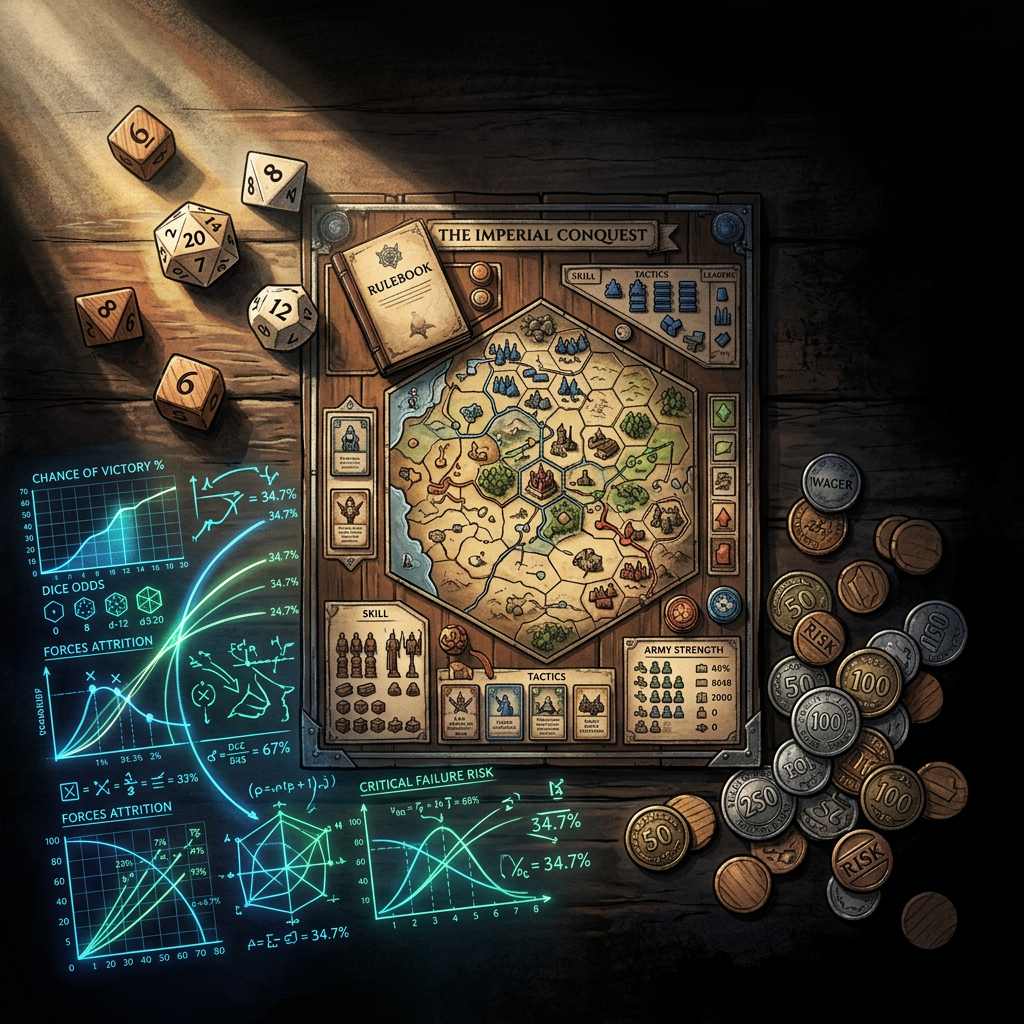
Even the rise of A.I. probability engines has deepened the divide. They offer a semblance of control—a model that tells you there’s a 78% chance your team wins—but they also strip away the beautiful uncertainty that makes competitions meaningful. If every outcome can be predicted, why play? The game becomes a mere unfolding of a prewritten script, where chance, not human will, writes every line.
This shift is not just a change in pastime; it’s a cultural erosion. We are losing the very essence of what makes games sacred: the opportunity to test ourselves, to fail and improve, to share a struggle with others. The elegy of the forgotten game is a warning—a reminder that when we reduce competition to a probabilistic outcome, we forfeit the very thing that gives it life.
What Pure Competition Still Gives Us
Even in an age of odds and algorithms, the pure game remains a quiet force for connection. Local chess clubs, amateur soccer leagues, and board game nights still draw people who want more than a payout. They come for the shared focus, the friendly rivalry, and the simple pleasure of testing a skill against another human.
This is where the elegy of the forgotten game finds its answer. The game offers something chance never can: agency. Every move, every pass, every decision matters. When you lose, you can look back and ask, “What could I have done differently?” That kind of reflection builds resilience and sharpens the mind. Research in sports psychology shows that structured competition teaches emotional regulation and tactical thinking—skills that transfer far beyond the pitch or the table.
More Than a Pastime: A Source of Belonging
Consider the community that forms around a local 5K race or a weekly pickup basketball game. People of different ages, backgrounds, and professions come together under a common goal. They cheer, they console, they celebrate. These bonds are real and lasting, something no fantasy roster can replicate. In many towns, the amateur league is the social glue—a reason to leave the house, to shake hands, to belong.
The Joy of Mastery
The game gives us the joy of mastery. Each small improvement—a faster time, a cleaner serve, a better endgame—feeds a deep human need for progress. That feeling of growth is its own reward, and it stays with you long after the match ends.
Historical moments confirm this. The ancient Olympic Games united Greek city-states in peaceful competition. Pick-up games on neighborhood courts have eased tensions and created friendships. Even in times of crisis, people have turned to games to find normalcy and connection. This is the enduring value that chance cannot replace.
So the next time you sit across a board or line up on the field, remember: you are part of a tradition far older than any betting app. You are giving the game its purpose back. And that purpose is still waiting for you.
Reading the Sorrow: What the Game’s Lament Teaches Us
The game’s lament — «I mourn because chance made the world forget my purpose» — is not a passive sorrow. It is a mirror held up to our culture, asking us to see what we have traded away. We didn’t just abandon checkers for blackjack; we replaced the thrill of mastery with the numbing buzz of probability. That swap wasn’t accidental. It was driven by industries that profit from our attention, not our growth. But the elegy is not a requiem. It is a wake-up call.
Listen to What the Game is Saying
When the game says «I was meant to inspire», it reminds us that competition originally was a story we told ourselves about who we could become. Every move, every throw, every lap was a small act of self-transcendence. When it says «I was meant to unite», it points to the ancient Olympic truce, the village football pitch, the neighborhood chess club — all spaces where strangers became rivals and rivals became friends. And when it says «I was meant to elevate», it names the quiet pride of a well-played match, regardless of the scoreboard. That is the purpose we have let slip.
Practical Steps to Restore the Game
Reading the sorrow means turning lament into action. Here are a few ways to bring back the soul of play — for players, designers, and communities alike.
- Design games that reward skill over luck: emphasize meaningful choices, transparent feedback, and mastery curves that make every match a lesson.
- Create social rituals around play: organize local leagues, board game nights, or pick-up tournaments where the goal is connection, not cash prizes.
- Limit the cultural footprint of betting: keep sports betting and casino mechanics out of public sponsorship, youth programs, and even the design of casual games.
- Teach the history of games: from senet to soccer, show how play has always been a tool for building character and community, not just killing time.
- Model the right mindset: as a player, applaud your opponent’s best move, shake hands after a loss, and remember that the game itself is the reward.
The elegy is not a call to reject modern innovation. It is a cry to remember that the game exists for the player, not the odds. When we listen, we can start to restore the balance — one move, one match, one shared laugh at a time.
A Future Where the Game Sings Again
The elegy of the forgotten game does not have to be its final song. As we close this lament, we can see that the game’s purpose was never truly lost—it was merely buried under layers of chance. The future calls us to unearth it, not by rejecting innovation, but by rebalancing our priorities.
Imagine a world where sports arenas buzz not only with the tension of a bet, but with the shared breath of a perfect play. Picture a generation that learns strategy not from a probability engine, but from the joy of outsmarting a friend across a board. This isn’t nostalgia; it’s a conscious choice to let skill, effort, and human connection shine again.
Modern tools can amplify this vision. Fantasy leagues can celebrate the artistry of a game-winning drive. Prediction charts can become gateways to deeper understanding of the sport’s nuances. Crypto tokens could fund grassroots competitions rather than distort incentives. The future of gaming doesn’t have to be a zero-sum fight between chance and skill.
So, let the game finally dry its tears. Let it inspire, unite, and elevate once more. It awaits your move: dust off that old chessboard, organize a neighborhood soccer match, or simply watch a game with the pure intent of witnessing human excellence. When you do, you’ll hear its song again—not a mournful elegy, but a triumphant anthem.
Leave a Reply