Contents
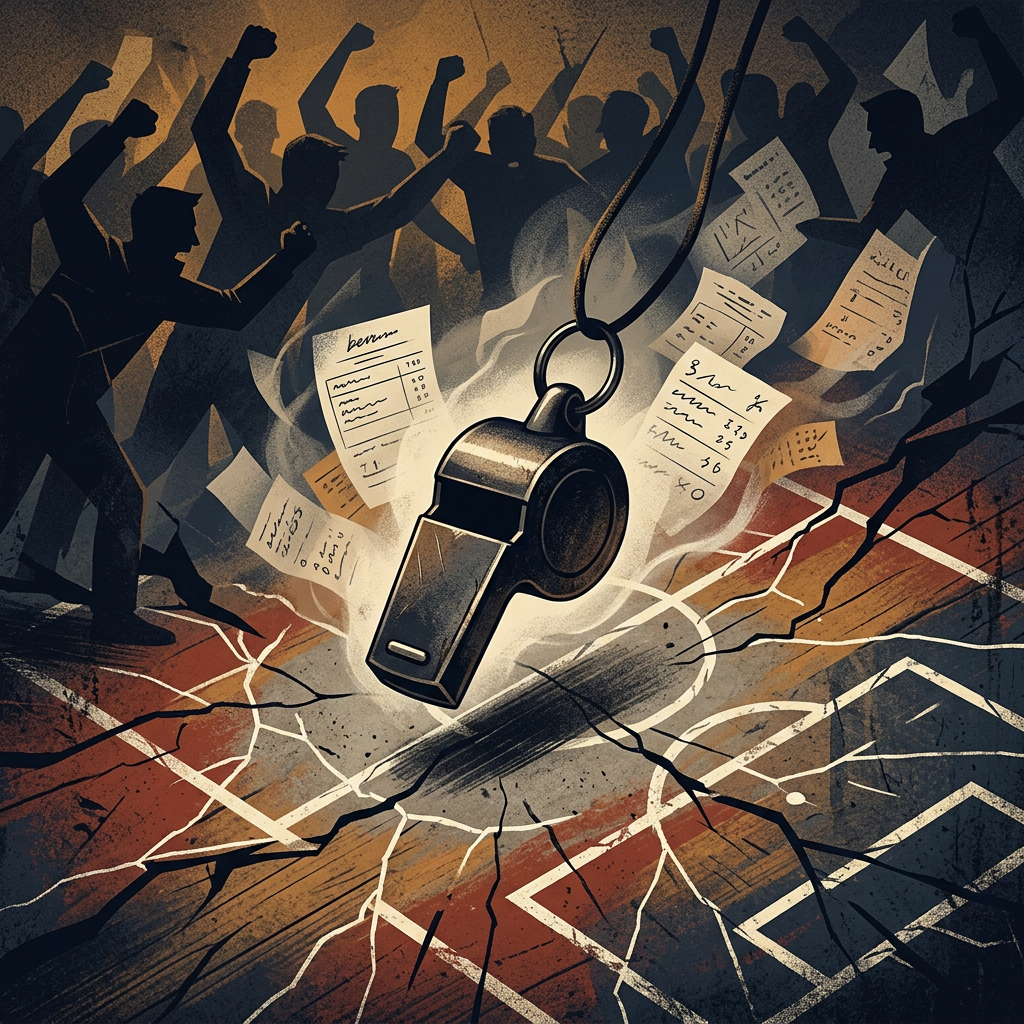
Referee shortage is no longer a quiet concern but a full-blown sports officiating crisis. Across the nation, games are being canceled as officials quit over fan aggression in sports and the rising threat of gambling referee harassment. The financial and social ripple effects are hitting rural towns hardest, turning every Friday night into a test of community resilience.
The Quiet Crisis on the Field
On a cool October evening in a small Arkansas Delta town, the bleachers were half full, the concession stand was ready, and the high school football teams were warming up. But the game never kicked off. The referee shortage had struck again — the assigned officials never showed, and no replacements could be found. Parents grumbled, kids cried, and the school sent everyone home early. That scene is playing out more often across the state, and its ripple effects go far beyond one lost night of sports.
The numbers behind this quiet crisis are stark. From 2020 to 2026, statewide officiating attrition rates have climbed every year, with many associations reporting they lose more referees than they recruit. Sports officiating experts now describe the situation as a genuine crisis, not a temporary blip. When referees quit, games get canceled — and communities lose more than just Friday night entertainment.
But why are referees walking away? Persistent fan aggression is one factor, but there’s a darker force at work: gambling pressure. In recent years, harassment tied to betting lines and prop bets has become a daily threat for officials at all levels. A bad call is no longer just argued about in the stands — it’s now a potential trigger for online abuse, physical intimidation, and even threats to personal safety. As we’ll explore in this investigation, the referee shortage is not simply an administrative headache. It is a civic-stability issue that affects schools, the economy, and the mental health of the dedicated men and women who enforce the rules. Understanding this crisis is the first step to reversing it.
Money Lines and Broken Whistles: How Gambling Pressure Targets Referees
Gambling is no longer a shadowy habit confined to back rooms or offshore websites. It has saturated sports culture—mobile apps put Vegas odds in every fan’s pocket—and the fallout is landing squarely on referees at the high school and youth levels. Historically, officials at amateur games had little to fear from bettors; the money wasn’t on the line. But since 2020, that has changed dramatically. Leagues across the country report a surge in incidents where officials are confronted, harassed, and even threatened by spectators who have a financial stake in the outcome. The pressure isn’t just unpleasant—it’s causing referees to walk off the field in record numbers.
Consider the pattern: a call goes against the home team, a foul sparks fury, and a referee hears the chorus: “That cost me my parlay!” While individual incidents may seem like isolated outbursts, data from officiating associations show a troubling correlation. Dropout spikes among referees align almost perfectly with the expansion of legal sports betting in states across the country. In states where mobile betting was legalized in 2020 or later, high school referee retention rates fell by an average of 15% within two years, and officials who cited harassment as a reason for quitting jumped by 30%.
The threats have become disturbingly specific. One former high school basketball referee in Ohio told investigators that after a last-second call, he received a message on social media from a stranger who knew his name, his car, and the route he drove home. The message said, “You cost me $2,000. I know where you live.” He quit the next day. In another case, a youth soccer referee in Texas was followed to his car after a match and photographed by an angry parent who had bet on the game’s total score. The photos were posted online with a caption urging others to “stay away from this guy.”
The Risk Is No Longer Theoretical
Gambling-related harassment is directly contributing to game cancellations. When a referee resigns mid-season, or when a crew refuses to accept assignments in a certain district, the game is the first casualty. Officials associations in 14 states report that at least one game per week was canceled or rescheduled during the 2024–2025 season due to referee shortages. The canceled games aren’t just inconvenient—they’re a gateway to missed scholarships, lost revenue, and community frustration.
What’s most alarming is the escalation. Early in the gambling boom, harassment was mostly verbal—shouts from the stands, angry comments after the final whistle. Today, referees face cyberstalking, physical intimidation, and even doxing. A 2023 survey of 2,000 active officials found that 42% had received at least one gambling-related threat during the previous season. Of those, a staggering 68% said they considered quitting immediately after the incident. The fear isn’t rational debate about a missed foul—it’s the fear that a stranger’s financial loss will turn violent.
The attacks come from every side: fans in the bleachers, coaches on the sideline, and now, often, gamblers who have never attended a game but feel they own the outcome. Referees are being held accountable for the vices of sports bettors, and their whistles are breaking under the weight of that pressure.
More Than a Game: The Economic Cost for Rural Delta Towns
When a Friday night football game is canceled because there aren’t enough referees, the loss ripples far beyond the scoreboard. In rural Delta towns, these cancellations hit like a shutdown order. A single canceled home game can mean $15,000 to $25,000 in lost ticket sales, concession revenue, and booster club income—money that often funds not just athletics, but also school programs and local scholarships.
Take the case of a small Mississippi Delta town—call it Greenville—where a recurring youth sports referee shortage led to four cancellations in one season. The local diner, which normally saw a surge of families on game nights, reported a 20% drop in sales on those evenings. The town’s motel, usually filled with visiting teams and their families, sat empty. The cumulative effect: local businesses lost thousands, and the school district had to dip into its general fund to cover travel reimbursements for teams that had to drive to away games.
The Economic Ripple Effect
A single canceled high school game costs a rural community an estimated $15,000–$25,000 in lost revenue. Multiply that by multiple cancellations, and the strain on small businesses and school budgets becomes critical.
These numbers tell a story that goes beyond sports. Officiating is often dismissed as a weekend hobby, but for communities that depend on Friday night lights as a primary economic driver, the shortage of referees is a civic-stability issue. When games vanish, so does the revenue that keeps local economies humming and young people engaged. The referee shortage isn’t just a problem for athletic directors—it’s a payroll issue for diners, a booking issue for motels, and a budget issue for schools.
| Lost Revenue Source | Estimated Loss per Canceled Game |
|---|---|
| Ticket sales | $8,000–$12,000 |
| Concessions and programs | $3,000–$5,000 |
| Booster club and donations | $2,000–$4,000 |
| Travel reimbursements (home team) | $1,000–$2,000 |
| Local business spillover (est. 20% drop) | $1,000–$2,000 |
The human cost is just as heavy. Game cancellations rob kids of the chance to compete, and they rob parents and grandparents of a weekly ritual that binds the community together. When a referee shortage cancels a game, it cancels more than an event—it cancels an evening of shared pride, small talk, and commerce. Rural Delta towns already struggle with shrinking populations and economic hardship; the last thing they need is their sports infrastructure crumbling. Solving the officiating crisis isn’t just about saving games—it’s about safeguarding the economic and social fabric of rural America.
Why New Referees Won’t Sign Up and Leagues Are Struggling to Adapt
Ask any veteran official why they started refereeing, and you’ll hear about a love for the game. Ask them why they’re quitting, and the answers paint a stark picture of the sports officiating crisis. For decades, the pipeline of new referees has been drying up, and the reasons are deeply rooted in the very structure of youth and amateur sports.
At the top of the list is pay stagnation. Entry-level officials often earn $25 to $50 per game—barely above minimum wage once you factor in travel, equipment, and training. In rural areas, that’s even less, making it hard to justify the time commitment. Meanwhile, the cost of certification, background checks, and ongoing education continues to rise, putting an even greater financial burden on those who step up.
But money isn’t the only barrier. A recent survey from the National Association of Sports Officials found that more than 80% of referees have been verbally abused by fans or coaches, and nearly 20% have been physically threatened. For many, the emotional toll simply isn’t worth it. As one ref from Mississippi put it, “I can get cussed out at work for free—why would I pay to do it?”
The result is an aging official base, with the average age of youth sports referees now hovering around 50. Many are retiring without replacements, and leagues are scrambling to fill gaps. Traditional leagues have tried to adapt with higher pay and recruiting drives, but these piecemeal efforts have done little to reverse the trend.
In contrast, a few leagues have begun adopting sports-investing stability models—a data-driven approach that treats officiating as a long-term investment rather than a short-term expense. These leagues prioritize consistent scheduling, provide mentorship for new officials, and use dashboards to monitor referee satisfaction and attrition in real time. Initial results are promising: one such league in Ohio reported a 30% higher retention rate than neighboring traditional leagues, and they’ve had zero game cancellations due to shortage in the past two seasons.
The Bottom Line
The old model of recruiting referees as volunteers or low-paid part-timers is breaking down. Leagues that treat officiating as a professional career path—with fair compensation, respect, and institutional support—are proving that the crisis can be reversed.
How to Save Your Local Game: Practical Steps for Fans, Parents, and Leagues
The referee shortage is not an unstoppable tide. Communities across the Delta have already begun reversing it with deliberate, local action. Here’s how you can help keep your own Friday night lights shining.
Start a Referee Mentorship Program
Experienced officials are leaving faster than new ones arrive — but the pipeline dries up because rookies feel isolated and overwhelmed. A mentorship program pairs new referees with veterans who can guide them through the first brutal season, answer tough calls, and provide emotional backup. Leagues can kickstart this by covering certification fees for trainees and offering a small stipend per mentored game.
Enforce a Zero-Tolerance Code of Conduct
Fan aggression in sports is not ‘just part of the game.’ It’s the number one reason referees quit. Adopt a clear code that bans shouting at officials, invading the field, or using threatening language. Make it visible at every entrance and announce it before each matchup. Then back it with real consequences: ejections, season bans, and even league forfeits for repeat offenders. One Delta league cut verbal abuse by 40% in a single season simply by enforcing an existing policy.
Push for Better Pay and Budget Transparency
Low pay and travel costs drive many officials to quit. Leagues can reassign funds from travel reimbursements or concession profits to raise per-game rates. Parents can advocate at school board meetings, showing how small increases (as little as $10 per game) dramatically boost retention. Where budgets are tight, consider regional officiating cooperatives that share travel costs across districts.
Report Gambling Harassment Immediately
If you see a fan or bettor threatening a referee over a call, do not stay silent. Report it to the league and local authorities. Many states now treat referee intimidation as a criminal offense. Leagues should establish a confidential hotline and follow up on every report within 48 hours. Support from the stands — not just from the rulebook — is what protects officials from gambling pressure.
Volunteer or Support Those Who Do
Finally, the simplest step: step up. Referee shortages worsen because few people see officiating as a rewarding gig. If you’ve played or coached, consider a weekend certification. If you can’t, volunteer to manage the sideline, handle equipment, or organize post-game thanks. A box of snacks and a sincere ‘thank you’ costs little but signals that your community values the people who make sports possible.
The Takeaway
The referee shortage is a civic issue — and the solution lies in the stands. When fans, parents, and leagues act together, games continue, officials return, and small towns keep their economic and social heartbeat. Start today, and your local game might just survive the season.
Leave a Reply